

10 Creative Ways to use your BUFF® Tubular: Part 2
This article was written in collaboration with BUFF® Canada. To get into the goods, hit the link below:
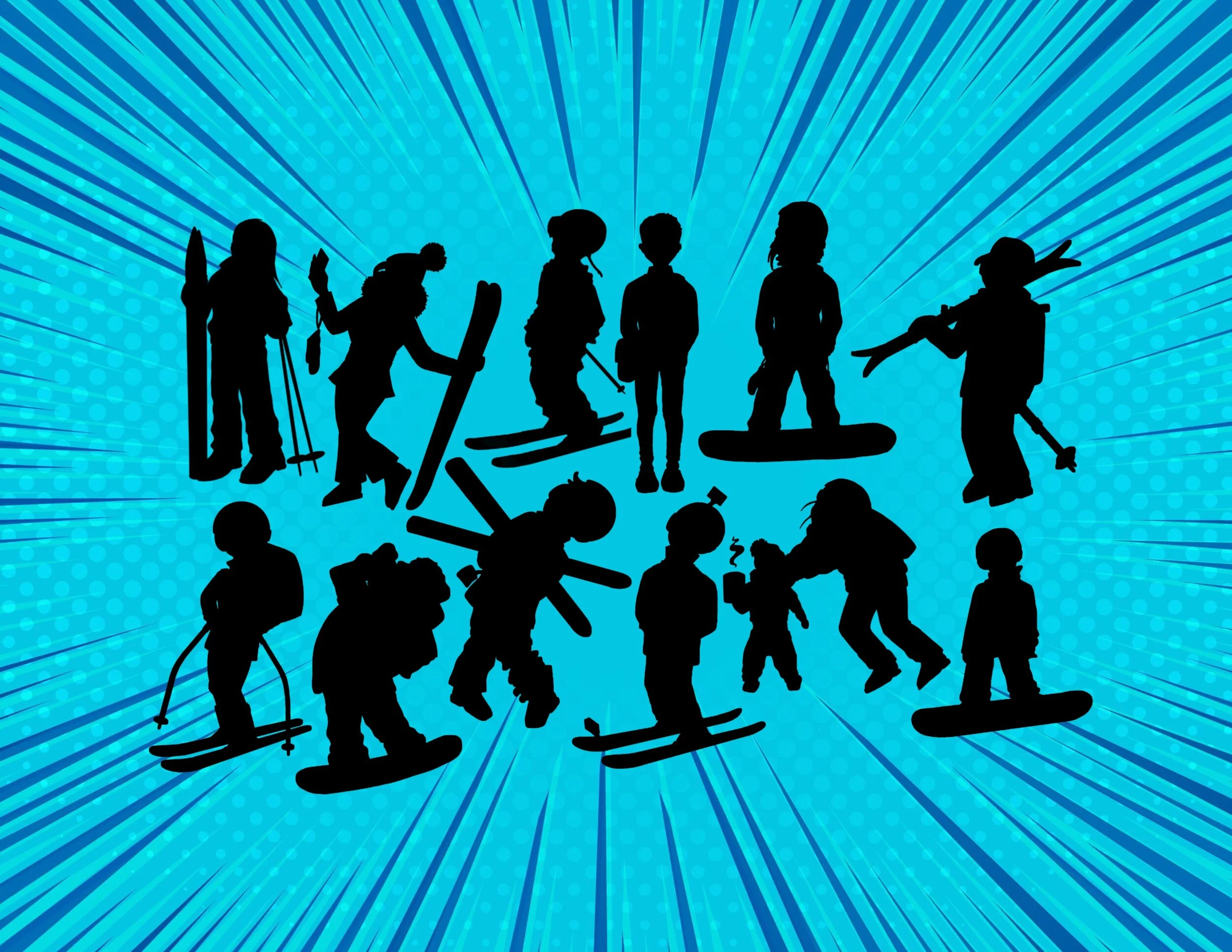
The 12 People You'll See in the Ski Resort
Written by Greg Lum • Illustrated by Nat Tuke: @nattuke.art | www.nattuke.com
1. Jared - The Park Rat
There’s no denying that the park rat has held its infamous reputation amongst local ski resorts for decades now. Everyone knows Jared. You won’t see him uploading until later in the morning because, dude, he had like so many drinks last night. Nonetheless, Jared can throw down in the park, despite his poles looking like they were stolen from a kid in ski school. His Spotify playlists are out of this world and the only thing riding lower than his pants is his bank account.

2. Liam - The 9 Year Old That’s Better Than Everyone
He doesn’t know how to do laundry, but he’s got his 15 foot cliff drops dialed. Liam is a chicken strip eating, side hitting machine. He averages 10-20 falls a day, all of them being equivalent to a broken bone to an adult, but Liam has some sort of cheat code turned on which apparently makes him invincible. Until he turns 20, his backflipping skills will remain better than his chairlift conversation skills. Liam and his friends hold the key of talent to our future, a future that literally none of us can relate to.

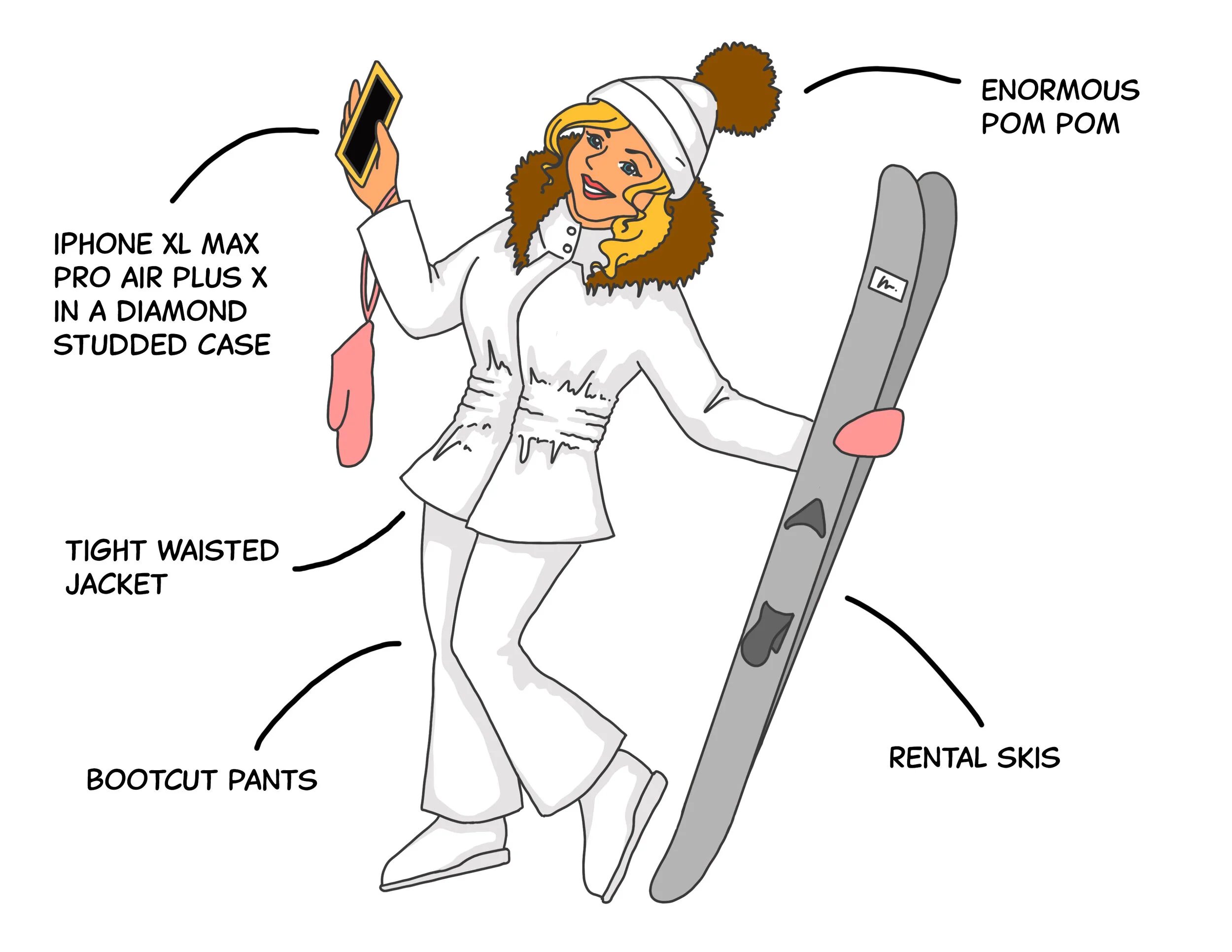
3. Marisa - The Upper-class Vacationer
Marisa has entered the chat. She stands out like a lighthouse in the night, only instead of a lighthouse it’s the massive pom-pom on her hat. Her clothes are as brilliant as her rental skis are dull. Marisa will spend as much money on one weekend as Jared the park rat would in a season. She might be able to ski just fine, but the only face shots she’ll get on the slopes will be selfies from her phone. Say what you want about Marisa and her gal pal squad, but she’s having just as much fun out there as anyone else.
4. Dwayne - The Guy Wearing The Football Jersey
You’ll hear him way before you see him, it’s Dwayne of course. You can always count on him to have a good time, and every day on the slopes is the best day ever for him. Just don’t ever talk smack about his team, ever. Dwayne might be occasionally beat when it comes to remembering to pack all his snowboarding gear, but he’ll grab a win every time when it comes to beer pong, truck size, or doing anything involving wood. We all need to be friends with Dwayne, because he’s so much more than just the guy that bails you out when your car gets stuck in the snow.

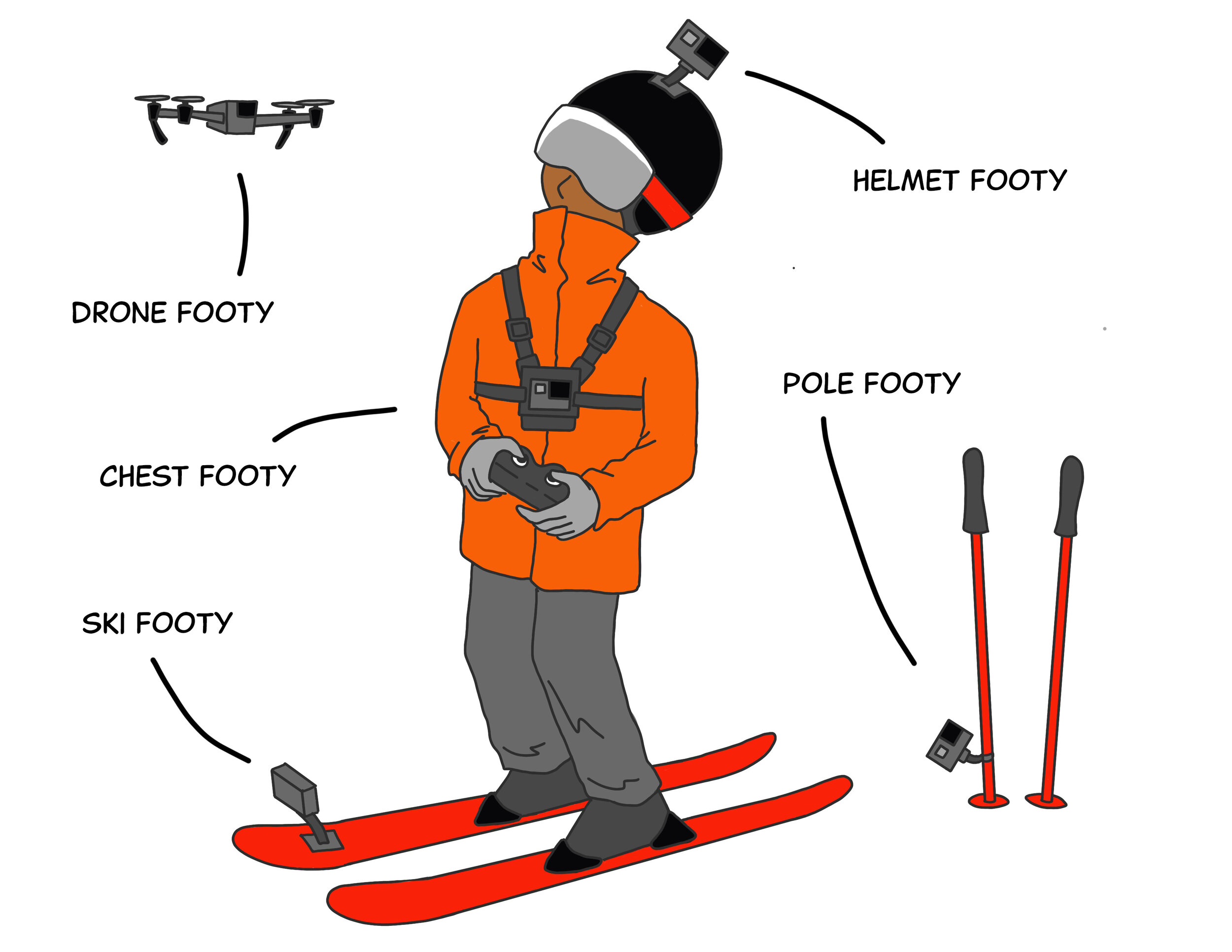
5. Harry - The Guy With Way Too Many Cameras
Perhaps Costco started selling 5 packs of GoPro’s, or maybe nobody has told Harry yet that one camera is often enough. Give him one run and he’ll have enough footage to make a Hollywood motion picture. Aside from his neat Instagram stories, nobody really knows what Harry does with all his footage. I guess we’ll just have to wait until the end of the season, when he’s promising to drop, like, the sickest edit ever.
6. Julie - The Mom Always Chasing After Her Kids
The only thing harder than taking care of a child is taking care of a child in a ski resort. And the only thing worse than dropping your gloves on the chairlift is your kid dropping their gloves off the chairlift. You’ve got to give Julie some props, all day long she’s slashing turns through chest deep nose wipes, jacket zips and boot adjustments. It takes a real woman to sacrifice her day off on the hill to make sure her kid is warm, comfy and doesn’t throw their poles at random people in the lineup.

7. Alex - The Guy Who Just Can’t Figure It Out
The walking yard sale. Everything that could go wrong, has gone wrong with Alex, poor guy. He’ll take longer figuring out how to remove the snow from his boots to get into his bindings than actually skiing. Alex also might be the only person on the mountain to swap skis with and he won’t ever notice. You might be smarter than him in the resort, but let’s be real, he’s probably smarter than you with everything else in life.

8. Amy - The Apres-Holic
Queen of the good times. Amy lives her life to the fullest. She owns 7 oversized flannels and is still rocking an iPhone 4 with a cracked screen. To cancel out a heavy night of drinking, she’ll opt for the healthy quinoa salad at lunch the next day before going back to diving face first into 5 pitchers of sangria with her squad after riding. You’ll always be able to rely on Amy for being your rad friend, but never for showing up to work on time.

9. Kelsey - The Racer
Where do we begin. Kelsey’s got spaghetti for poles, pajamas disguised as a spandex suit, bananas to protect her hands, a space cadet helmet and a mini-fridge for a backpack. Just to top it off, she actually enjoys icy conditions. You can point and laugh, all until she absolutely kicks your ass getting down the hill. Kelsey and her crew might look ridiculous, but us regular folk just watching them on the racecourse is enough to break our knees. Respect.

10. Callum - The Backcountry Gearhead
He’s got 8 different lenses for his goggles, but somehow always brings the wrong one. Mention the word “touring” around Callum and he’ll talk for 3 days about all the different types of binding technologies. His internet homepage is the avalanche forecast and YouTube history is a never-ending list of gear reviews. He’s a proud owner of a Subaru with a roofbox, and 5 Nalgenes covered in stickers. Callum is so dang passionate about his belongings that he’d probably buy Gore-Tex bananas if the grocery store stocked them.

11. Russ - The Old Timer
An actual legend. Russ is either an ex-lifty, ex-patroller, ex-instructor, ex-guide or more likely, all of the above. The only person on the hill that can bag 150 days on the slopes in a season without posting it on “The Instagram.” If you’re ever lucky/unlucky enough to share a chairlift with Russ, you can bet he’ll talk about how much the resort has changed throughout the past 400 years he’s been skiing there. His technique flows alongside his helmetless hair. Russ also is somehow the only person that can ski without goggles and not get watery eyes, must be a baby boomer thing.

12. Edward - The Guy Who Doesn’t Ski
I don’t know why he’s here either… he doesn’t even have Blundstones.

Written by Greg Lum • Illustrated by Nat Tuke: @nattuke.art | www.nattuke.com

How to be Cool on the Chairlift
Well guys, frozen toe season is upon us and the sound of sharpening edges and cutting tags off overpriced gore-tex pants fill the air. It won’t be long now until we’re standing in the chairlift line with hundreds of other like-minded keeners with frozen smiles and fogged goggles. With an exciting season ahead of us, I thought I’d take the opportunity to address probably the most common concern that clouds everyone’s pre-season mind, which is of course, how to be cool on the chairlift.

I took this at at the back of a monstrous line in Whistler Blackcomb back in January, 2014. I’m almost at the front now…
Part 1: The Approach
So, you’re cookin’ it down the hill, laying down the cleanest pencil lines cause you’re an absolute beast. You chose the run under the chairlift, just so everyone going up can see your next-level pole plants. The bottom of the lift is now in sight, as well as the 100 others patiently waiting in line. Now is the time to kick it into mach-chicken. You’re going to want to straight-line it as fast as you can until the very last second. Only you know how great your hockey stops are, but nobody in the lift line does yet. Ignore those orange slow signs, they only apply to those less skilled than you.
Part 2: The Entrance
The party has arrived folks. After cranking out the largest bomb of a hockey stop, the dust will settle and everyone should now know who shreds the hardest. Now that you’re at the back of the crowd, it’s time to choose the shortest line. But, what about that singles line, perhaps that will be quicker? It’s hard to tell sometimes, so the best way to advance is to choose a line, and if another line seems to be moving quicker, then duck the rope and cut over to that one. People should understand and move out of your way.
Part 3: The Line
Alright, you’re in the line and it’s long, like really long. Time to get the tunes out. Go ahead and turn on your massive bluetooth speaker. Next, play Sail by Awolnation on full volume to spread the stoke. When moving forward, if the person in front of you starts to lag, very gently take your skis and initiate a friendly slam into the back of theirs. Don’t worry about damage, after all, they only see the front of their skis when using them.
You’re now just about at the front of the line, but look! You spot a friend just finishing the run so you give him a beckoning wave, but he doesn’t see you. The best way to get their attention is to stop moving, turn your skis sideways, so they take up the width of the line, wave both poles violently in the air and yell as loud as you possibly can. Your buddy comes over and begins snaking the line to get to you. If you say “it’s okay he’s with me,” people should understand. If they don’t, just tell them that “friendship is one of the most important things in life.”
You’re now at the front and begin to proceed through the scanner, but it’s not scanning and stops you dead in your tracks. Great. You remember that your pass was supposed to be placed on the left side, but it’s on your right. So, instead of taking the pass out and scanning it, you should just bump and grind the absolute crap out of the scanner, hoping that it will scan. Even if it takes longer, everyone will see how loose your hips can get on the dance floor.
Part 4: The Chairlift
Finally, you’ve made it on the chairlift. First things first, grab that restraining bar and slam it down as fast as possible without any verbal warning. The faster everyone on the chair is secured, the better. If you smack someone on the head with the bar that’s their fault because they should know that there are inherent risks in the extreme sport of skiing.
Now, go ahead, relax and spread your feet so your skis make a massive V the width of the chair. You just killed that last run and deserve a break. Don’t be afraid to rest your skis on everyone else’s top sheets if need be. This is also a great time to get to know your chairmates. Here are some great topics of conversation that go perfect with strangers:
General complaining about your hangover, the crowds, or food prices.
Political and religious views
Let everyone know how many days you’ve gotten in this season
Ask if it’s okay if you have a smoke, as you light one
Give overpriced gear recommendations
Talk about how the conditions aren’t nearly as good as when you were in the Alps or Japan or somewhere really cool
Roasting snowboarders, to a snowboarder
Roasting weekend warriors, to a weekend warrior
Hit on them, even if their parents are sitting next to them
Just sit there and continue playing Sail by Awolnation on your speaker
Part 5: The Exit
As great as it is chatting with new friends on the lift, the ride is now quickly coming to an end. Just like lowering the restraining bar, you’re going to want to pop that baby back up as fast as you can without verbal warning. Bonus points if you can wait until literally the last second, people love that game. The best method of dismounting the lift is to try and get a jump on the others and cut them off, even better, stick your pole out to create a barrier. If anyone tries to cut you off, throw your cigarettes at them and ski away like a boss.

Backcountry Photography: Tips for Adventuring with your Camera
This article was written in collaboration with Osprey Packs®. To get into the goods, hit the link below:
20 Things you Can Do as a Photographer While in Isolation
This pandemic got your trigger finger lacking the light of day? Ever since the Covid-19 virus was declared a global pandemic, photographers around the world have had to cancel their shoots and put their projects on hold for the foreseeable future. To continue the ongoing hunt to find the silver lining in all of this, here are 20 ideas for you to try out on your own to keep those creative juices flowing.
1. Create a Website or Portfolio of your Work
If you’re serious about taking your photography past the double-tapping gates of Instagram and Facebook, then having a website or some form of portfolio of your work should be one of the first things you do. In this day and age, it doesn’t take any genius knowledge of coding to create your own website and link up a domain. There are hundreds of simple templates online that can make your selection of work instantly that much better and create an ideal base for you to perfect and personalize over time.

If you’re like me, and have zero knowledge of website coding, then here are some online website/portfolio builders that are photography-friendly you might want to check out -
Wix
Squarespace
Wordpress
Weebly
Smugmug
Zenfolio
2. Practice Flying your Drone
I’ll try not to step on any toes here, but out of everyone I know that has a drone, it kinda seems like most of them spend all of their flight time trying to make sure it doesn’t crash or fall dead out of the sky, and with good reason, the things aren’t cheap. While in isolation, if you do have access to a safe and empty area where you can legally and responsibly practice flying, then why don’t you? The more confident you are with a camera in the sky the more you’ll be able to focus on getting the shot when this pandemic is over.
3. Try Out Macro Photography
Focus on the little things. For those that haven’t heard of macro photography, it’s all about shooting at very close distances to your subject. Try your hand with the flowers in your garden, or the tiny details in your watch. If you want to kill the most amount of time, try setting up a water droplet station. I speak from experience when I say trying to photograph water drops will drive you insane because you’ll always think you can do better than your previous shot. If you don’t want to buy a specialty macro lens, there are inexpensive extension tubes that can be purchased and used with your existing lenses.

4. Start a Product Photography Portfolio
Good old product photography. The beauty of this type of photography is that you can use literally anything as your subject. Your phone, a can of beer, a shoe, you name it. With creativity and a keen eye for detail and light, shooting product photos can keep you occupied and generate some exciting results, allowing you to see everyday items in a new way.
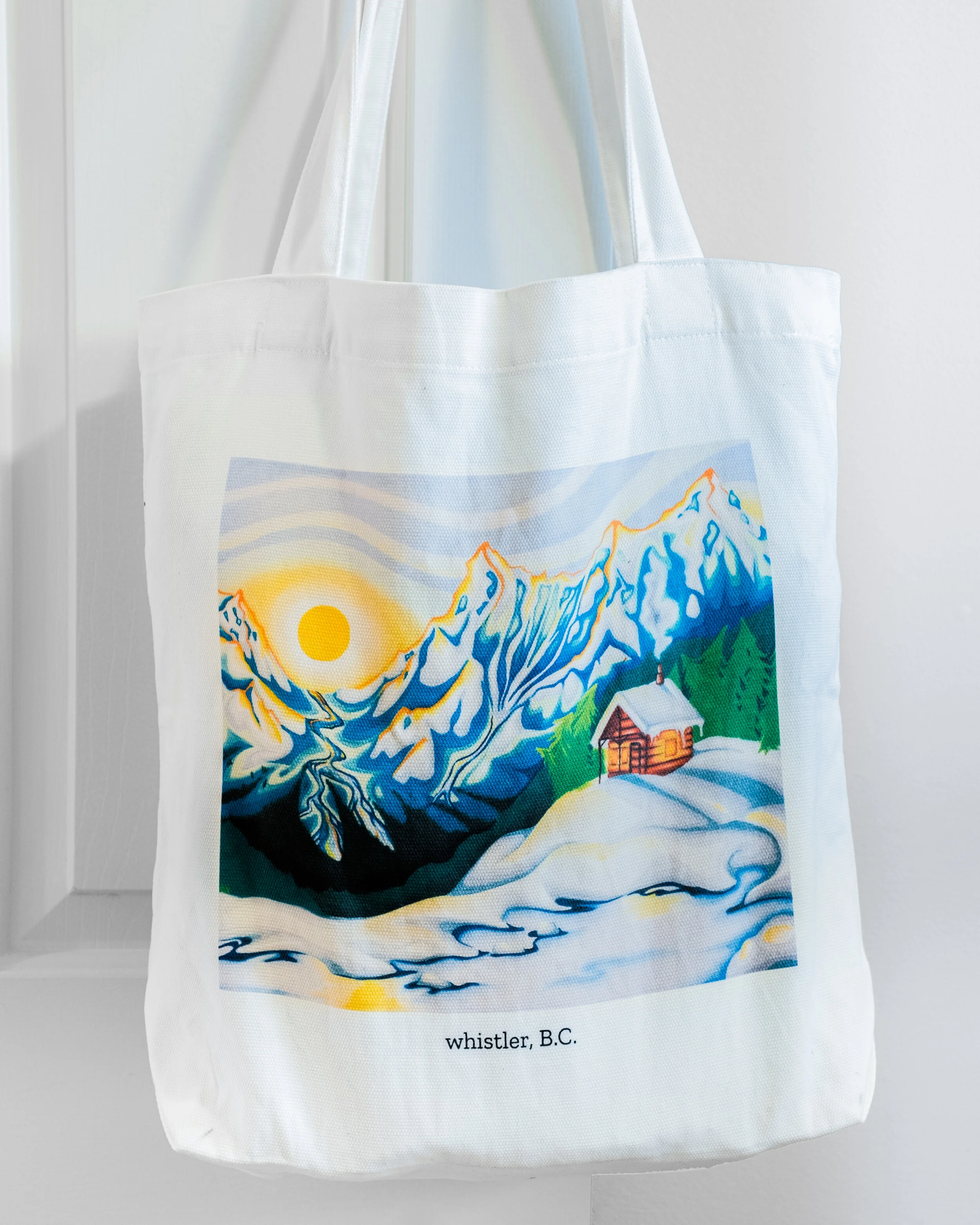
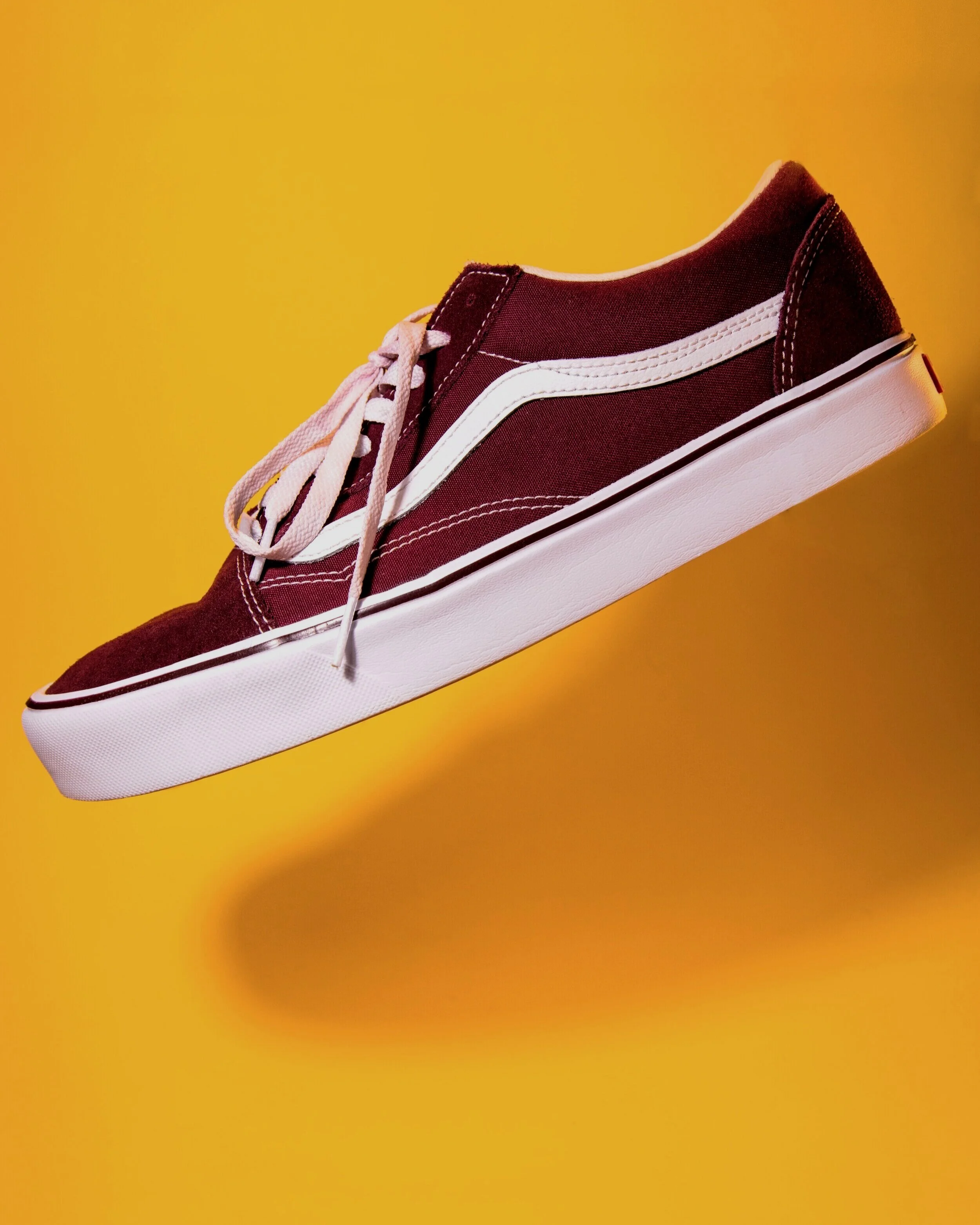
5. Backup All your Photos
While this is probably something you should be doing anyways, I’ll admit that backing up your entire collection of photos takes a long time - which is why you should go ahead and do it now. Consider adopting the popular “3-2-1” backup structure. This consists of creating 3 backup copies of all your work, including on 2 types of hardware storage, and 1 off-site storage (like the cloud). At the very least, you can create an organized file structure in your existing setup for all your photos so you never have to go looking for individual proofs, raw or processed files again.

Some available cloud storage plans suited for photography you might want to check out -
Google Drive/Photos
pCloud
Backblaze
Crashplan
Adobe Creative Cloud
Photoshelter
6. Practice Different Editing Techniques
One of the great gifts that digital photography has given us is the ability to alter and adjust images in any way, at any time, so long we have the original file. Today’s editing software is pretty capable at doing some powerful things. Try your hand at creating an appealing black and white edit, or perhaps go for a vintage look with some of your favourite portraits. If you’re feeling courageous, start a photoshop composite project and go big.

7. Take an Online Photography Course
There are seemingly infinite online courses on the internet at your disposal and no matter how great we think we are behind the camera, there will always be new things we can learn. Right now, you can find heavy discounts and even free courses to take due to the pandemic. It’s hard to make better use of your extra time then to better yourself and your knowledge with photography.
8. Self Portrait Setups
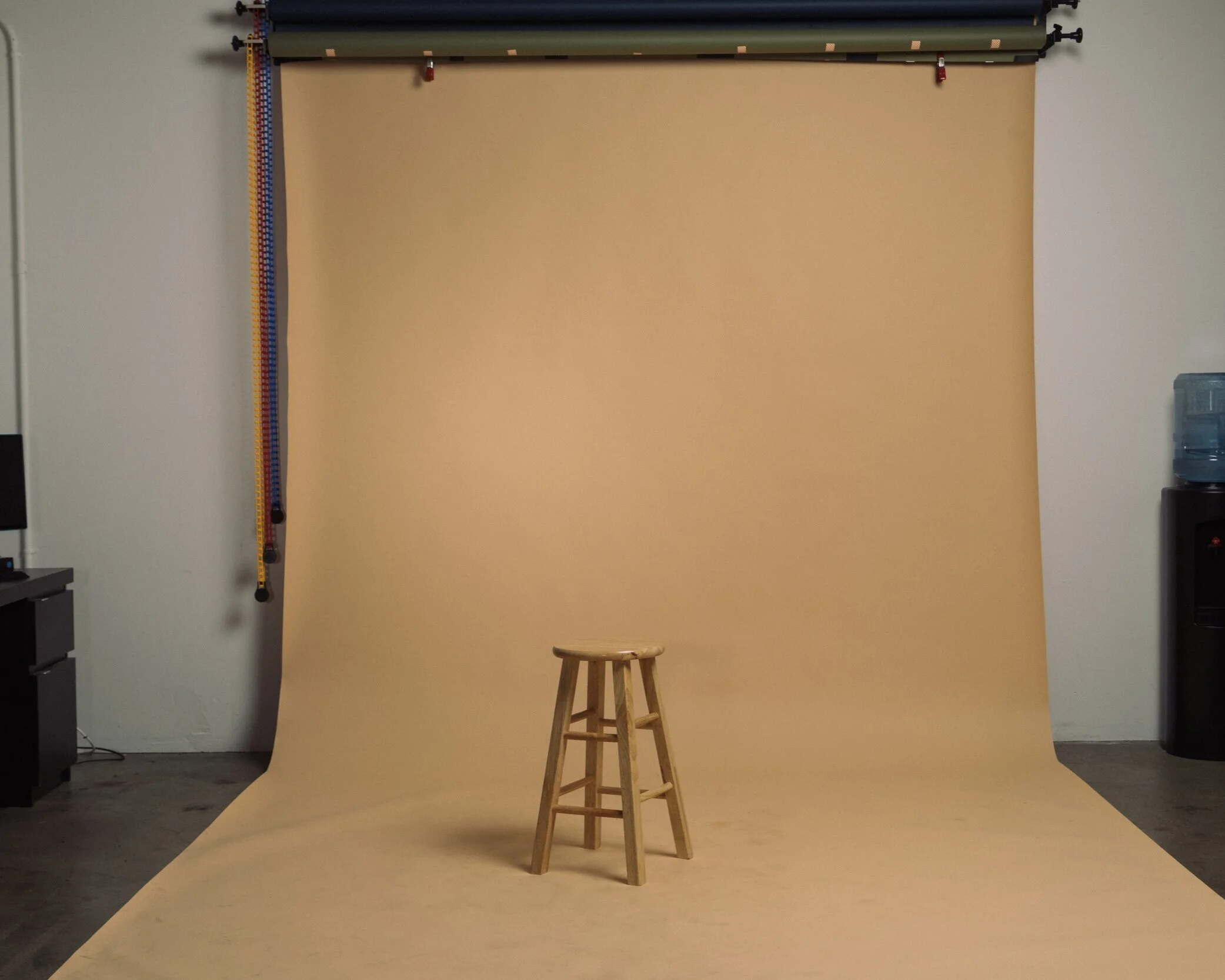
I understand that there is a reason why we spend our time behind the camera and not in front of it. What I’m getting at is that practicing taking self portraits in a studio scenario is a great way to practice different lighting setups and poses for when we are able to shoot with clients again.
9. Write a Blog
Hahaha, guess what I’m doing right now? But really, why not write a blog? Us photographers are nothing more than storytellers. A camera may be our chosen instrument to share those stories, but that doesn’t mean that has to stop because we can’t get out and take photos anymore. The great thing about a blog is that it can be about literally anything. Talk about your favourite photo gear, your favourite places, or share the story behind your favourite photograph you’ve taken. At the very least, you can write a review on your favourite lens.

10. Clean your Gear
Alright, I don’t mean clean your gear to get rid of any possible virus contamination, or maybe I am, I don’t know. What I mean is that even though there are some great at-home types of photography you can be trying out, chances are you’re not getting out and shooting as much as you used to. Cleaning and maintaining your gear is very important to keep both your images looking clean and the equipment lasting longer. If you haven’t learned how to clean your sensor, now is the perfect time. Wipe all those lens elements, all your filters, tighten all the tiny screws, organize your camera bag and clean all those battery terminals.
11. Take a Tour Through your Archives
Out of everything on this list, this is probably the easiest one and before you started reading this blog, I wouldn’t be surprised if you’ve already done this. Going through your archives not only allows you to find all those great shots you skipped over, but will undoubtedly put you in a good mood by reliving all those great trips you went on and photographed. When going back through your archives, try going waaay back. You’ll be surprised on how many shots you’ll find that are worth processing and sharing. Years of shooting will inevitably advance your skills and your evolving eye will be able to pick up on things you may have breezed past years ago

12. Learn How to Use The Other Settings on your Camera
You’re definitely not the only one who doesn’t know every single one of your camera settings, and I know what you’re thinking, if you’ve never used those random settings, then why should you learn them? Well, you can argue that if you actually knew what they were and how they work, then you might actually use them. And let’s face it, when this pandemic is over, the chances of you taking the time to learn these settings will fall back to zero. The more you know about using your own camera, the more confidence you will have to capture that next shot perfectly when out in the field.

13. Give Filmmaking a Go
Okay, if I’m being honest, I’ll have to admit that I’ve literally never taken a single video on my camera. Never even switched it into film mode. Terrible, I know. So, don’t be like me and give your hand at filmmaking a go. With cameras nowadays coming out with such strong photography and video capabilities, there are more hybrid shooters than ever. Run around the apartment and try practicing panning and focus pulling on objects. Next, make a black and white montage of your cat jumping up on the couch. What I’m saying is learning how to properly film and adjust settings is definitely valuable knowledge to have. Having the ability to take professional looking footage whenever you’re out taking photos is a strong asset to you and your business.
14. Get Creative With Light Painting
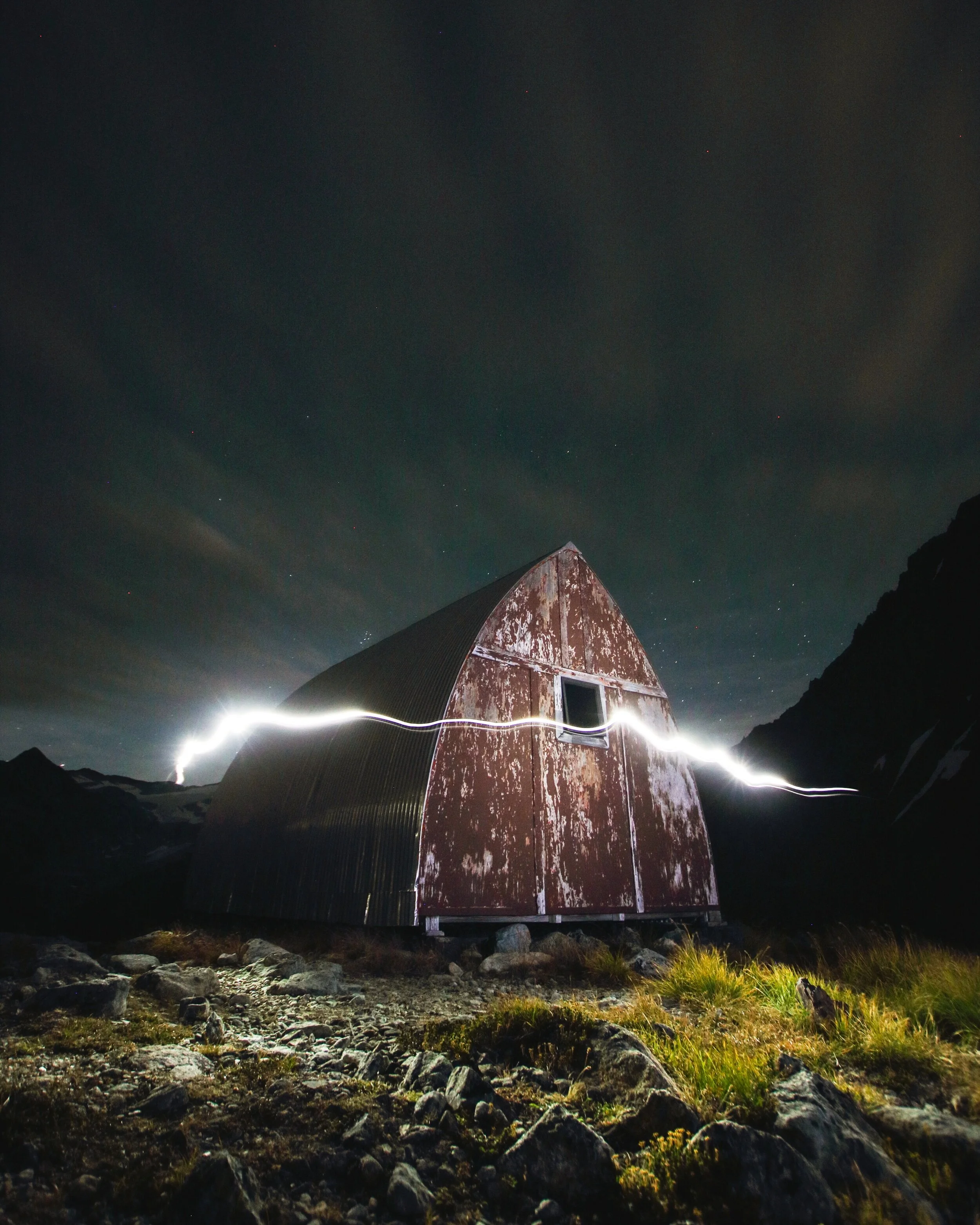
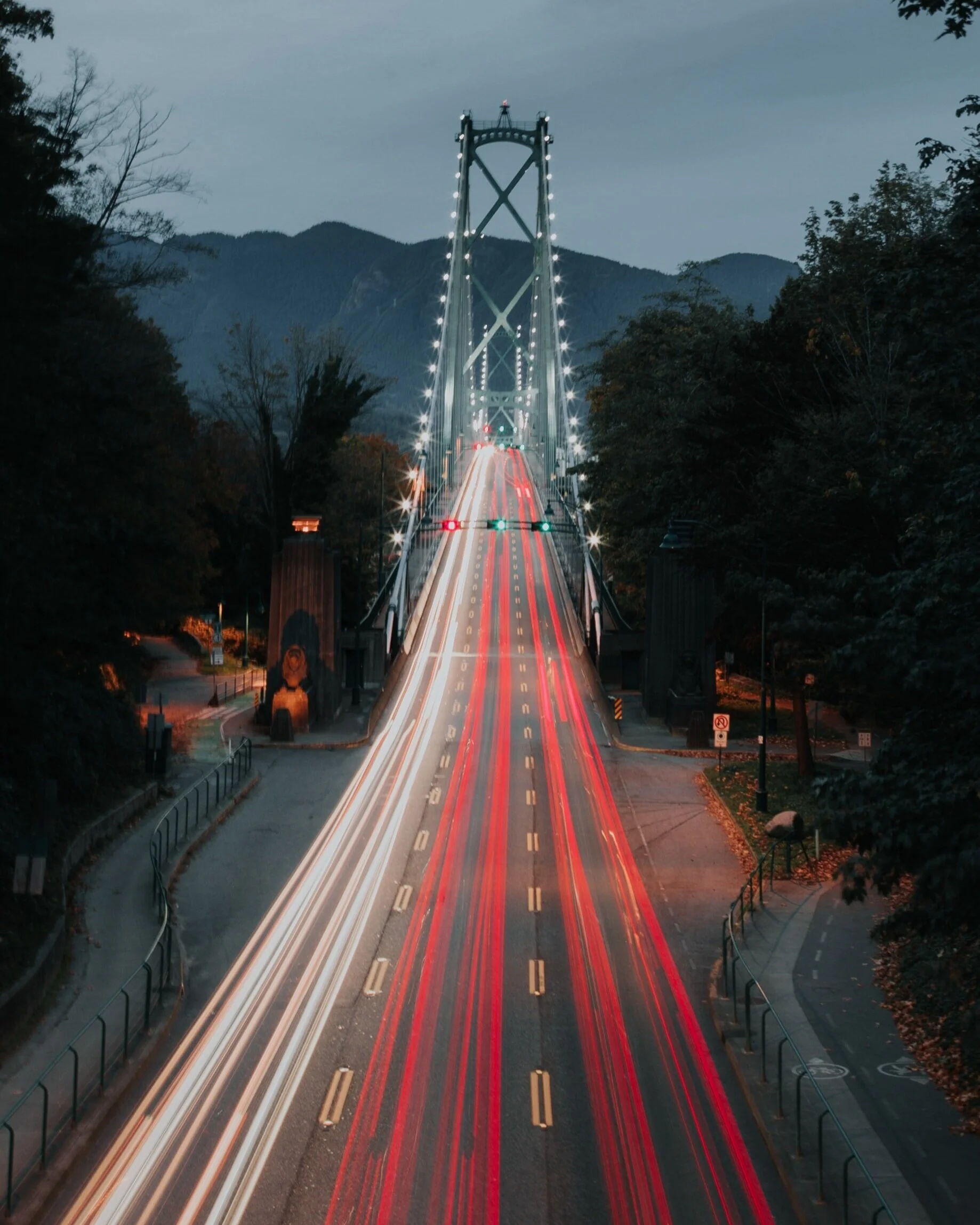
The reason why I’ve put this on the list is because I’ve seen so many people absolutely lose it when they discover light painting for the first time, including me. If you’ve got a tripod/hard surface, a handheld light and a dark room, then you can give light painting a go right now. With the combination of a long shutter speed and your creativity behind a flashlight (or even your smartphone light) you can create stunningly lit photographs and scenes that can only be seen by a camera.
15. Try Out Other Editing Programs
Here’s one for the post-processing nerds out there. Now is a great time to take advantage of all those free trials for all the editing programs you’ve had your eyes on. Before this pandemic took effect, I decided to try out a new program which has now been promoted into my primary software for editing all my raw files. My point is, you never know what features you might stumble into with different programs and you might even end up finding something that suits your workflow better than your current setup. I’ve just started trying out Lightroom CC over Lightroom Classic. It might not be making any difference to my photos, but I’m definitely not bored.
16. Make a Pinhole Lens for your Camera
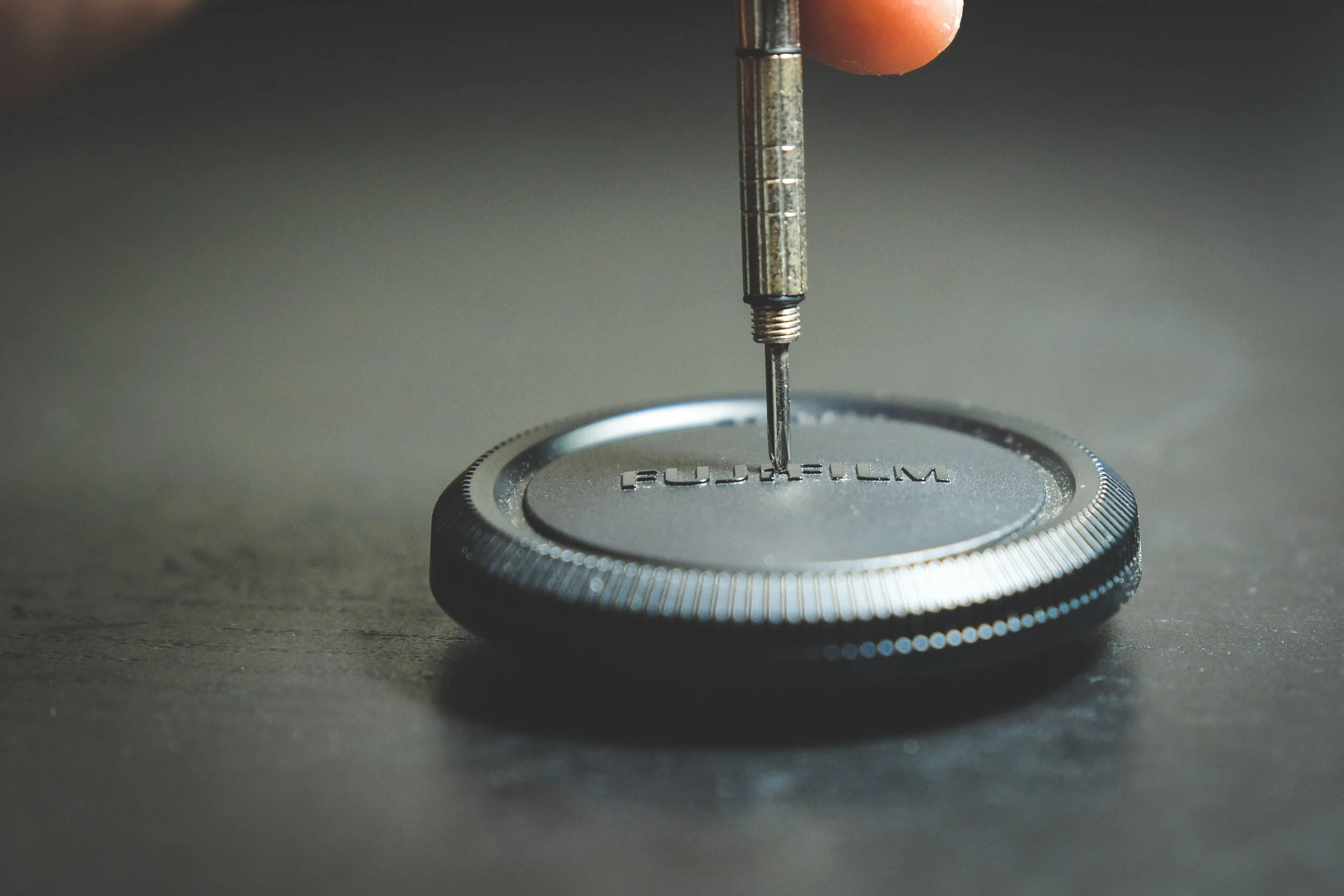
Shout out to Mr. Prensky, my High School photography teacher for showing me this way back. In the simplest terms, for those who don’t know what a pinhole camera is, it’s an object with a very small hole in one side that acts as an aperture, only in this case, you’ll be using the camera you already own. There are tons of online tutorials on how to make one, but all you’re basically doing is poking a hole in the middle of a camera body cap, or any black object that can be taped or mounted in front of your camera sensor. The science behind how this produces an image is quite simple, yet new-school digital photographers seem to be amazed in the same way like when your uncle discovered bluetooth for the first time.
17. Put Together a Slideshow of your Best Work
Take a collection of your favorite photos in one hand, and some fitting music in the other hand, and put them together. In my opinion, presenting a slideshow is one of the best ways to share your work because it exposes the viewer to a large variety of your imagery in a condensed package. Furthermore, the inclusion of music additionally supports your style as a photographer.
18. Do a Photoshoot of your Dressed Up Pet
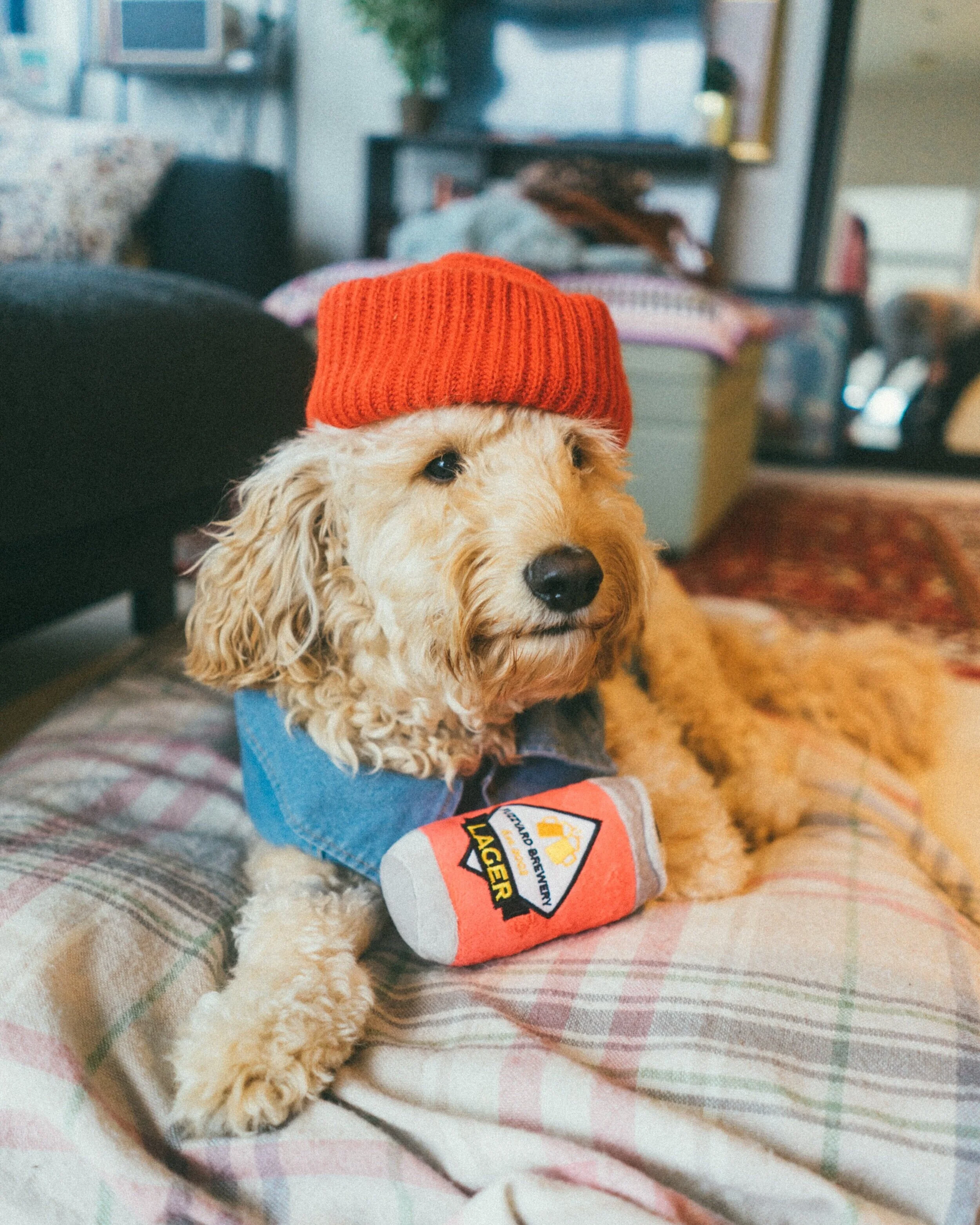
Now is the time to take all those random shots of your dog in the house and push it to the next level. I don’t think I’m the only one who enjoys funny photos of dressed up pets. Why not create a series and put your creativity and the patience of your pet to the test?

19. Print Out Some of your Photos
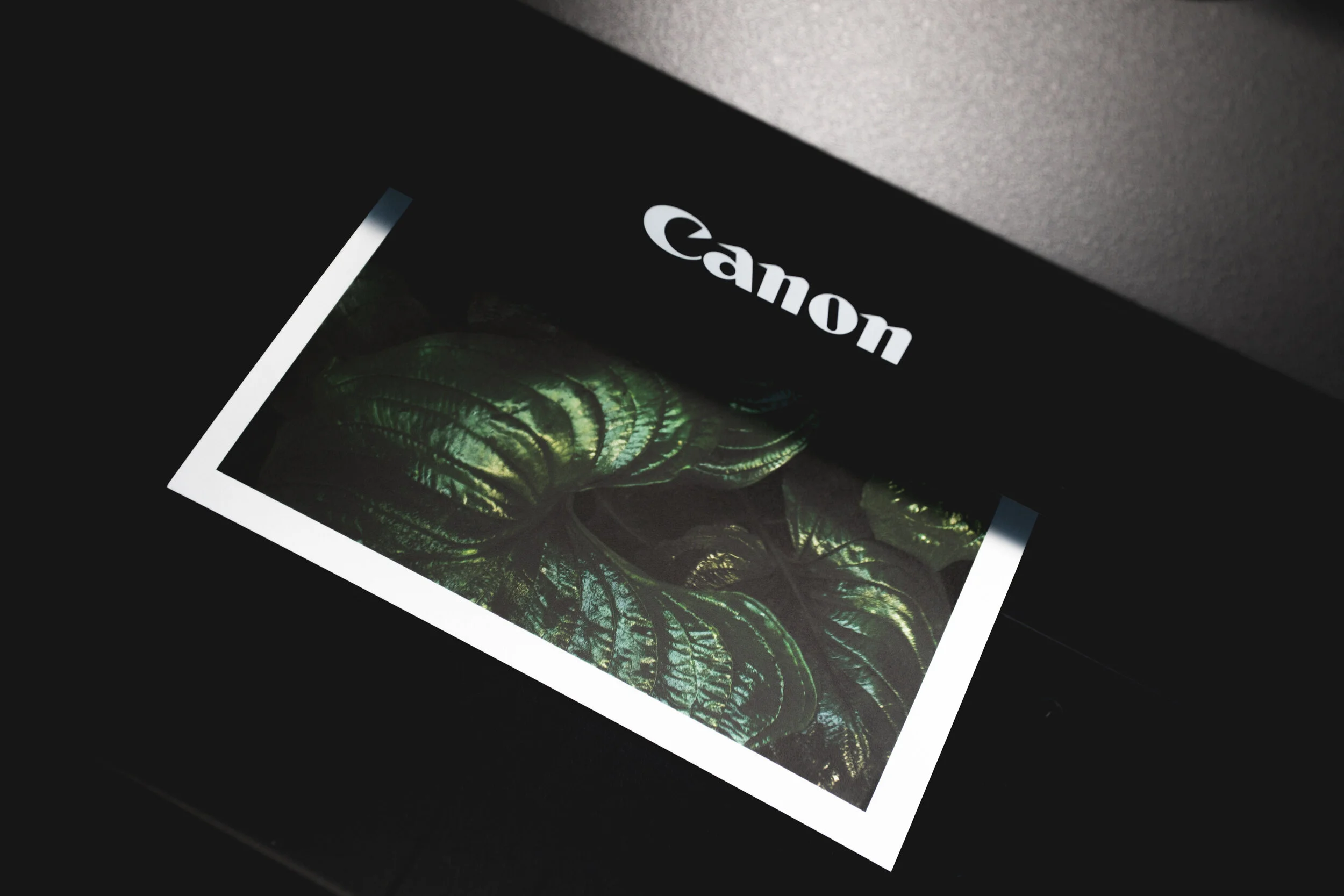
There’s nothing else like having a tangible piece to hold in your hands and put on display. I’m a big believer in printing your work and getting that satisfying sense of completing the loop with a photograph. While I believe there is no bad time to print your photos, now is a perfect time to take a look at your best work and think about what might look good on the wall. If you’ve never printed large scale prints before, now is a great time to learn how to properly prep files and determine proper image detail and sharpness prior to sending it to the lab.
20. Enter Online Photography Contests
Have some images you’re proud of? There are more photography contests online now more than ever. People around the world right now are stuck inside and looking for inspiration from the community. Submitting images into contests not only gives you the chance for winning prizes and gaining exposure, but can introduce you to other online photography communities and other photographers with whom you share the field with.

10 Creative Ways to use your BUFF® in the Backcountry
1. Pillow Case
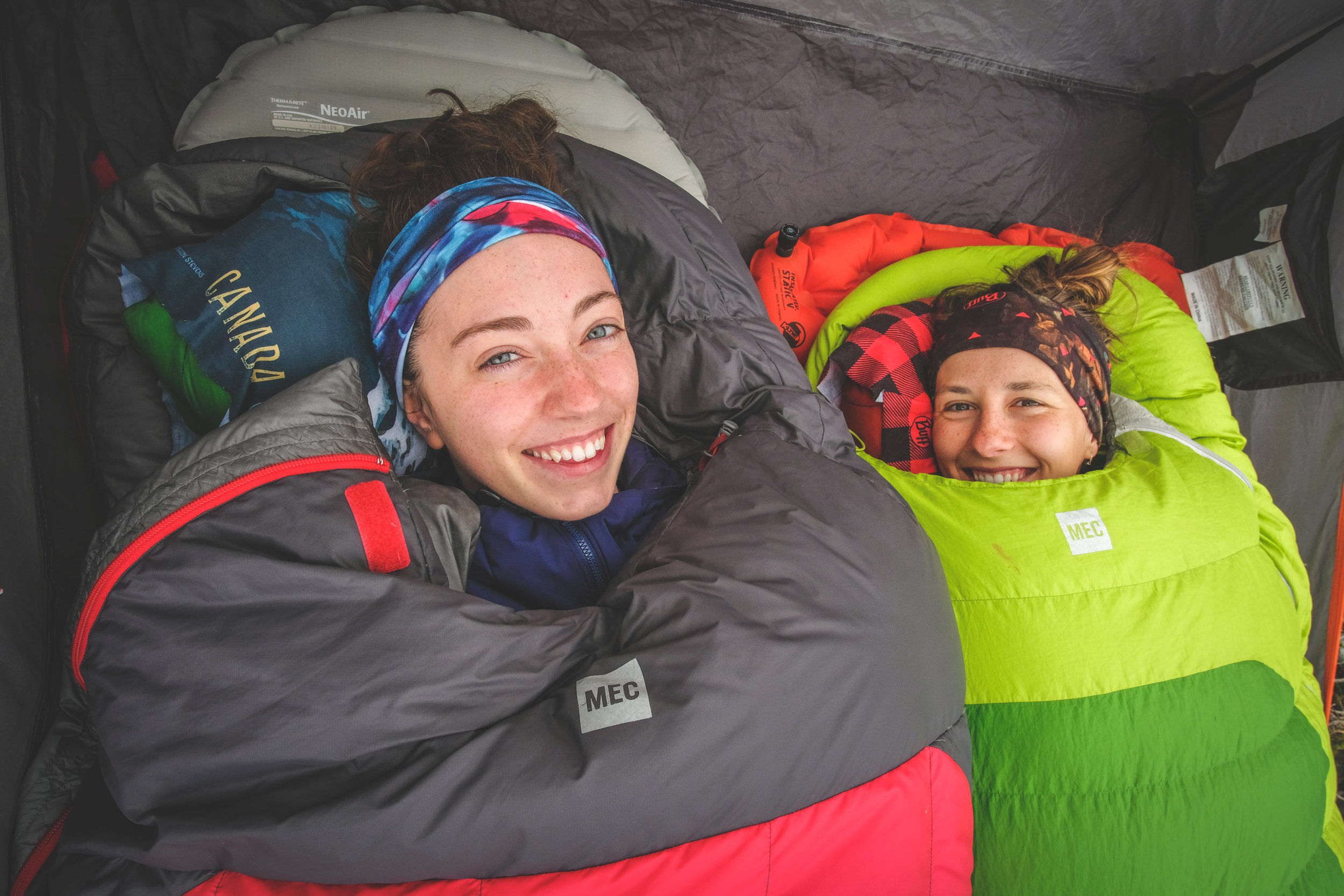
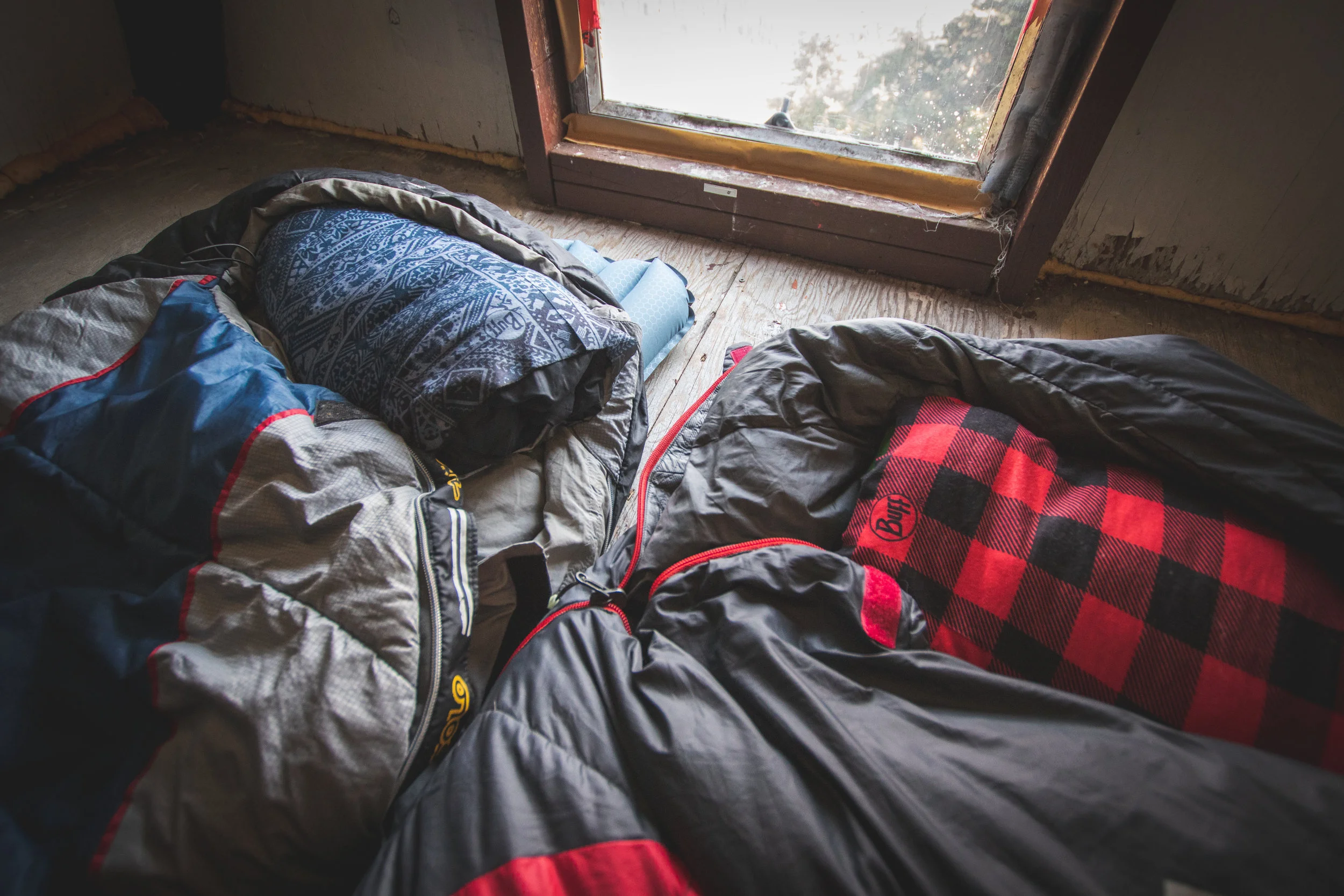
Who’s got the time or space to bring their pillow from their bed at home into the backcountry? You can easily use your puffy jacket or spare clothes as a makeshift pillow followed by your 4-way stretch Original BUFF® as your pillow case. This helps keeps your backcountry pillow from unfolding itself overnight while you sleep.
2. Cup Cozy
There’s nothing better than a nice hot cup of joe waking up to the sound of the river. There’s also nothing worse than not being able to hold that cup because of how hot it can get. Grab your BUFF® and wrap it around your cup a few times to help insulate and keep the precious contents warm inside and your palms burn-free.


3. Camera Cover
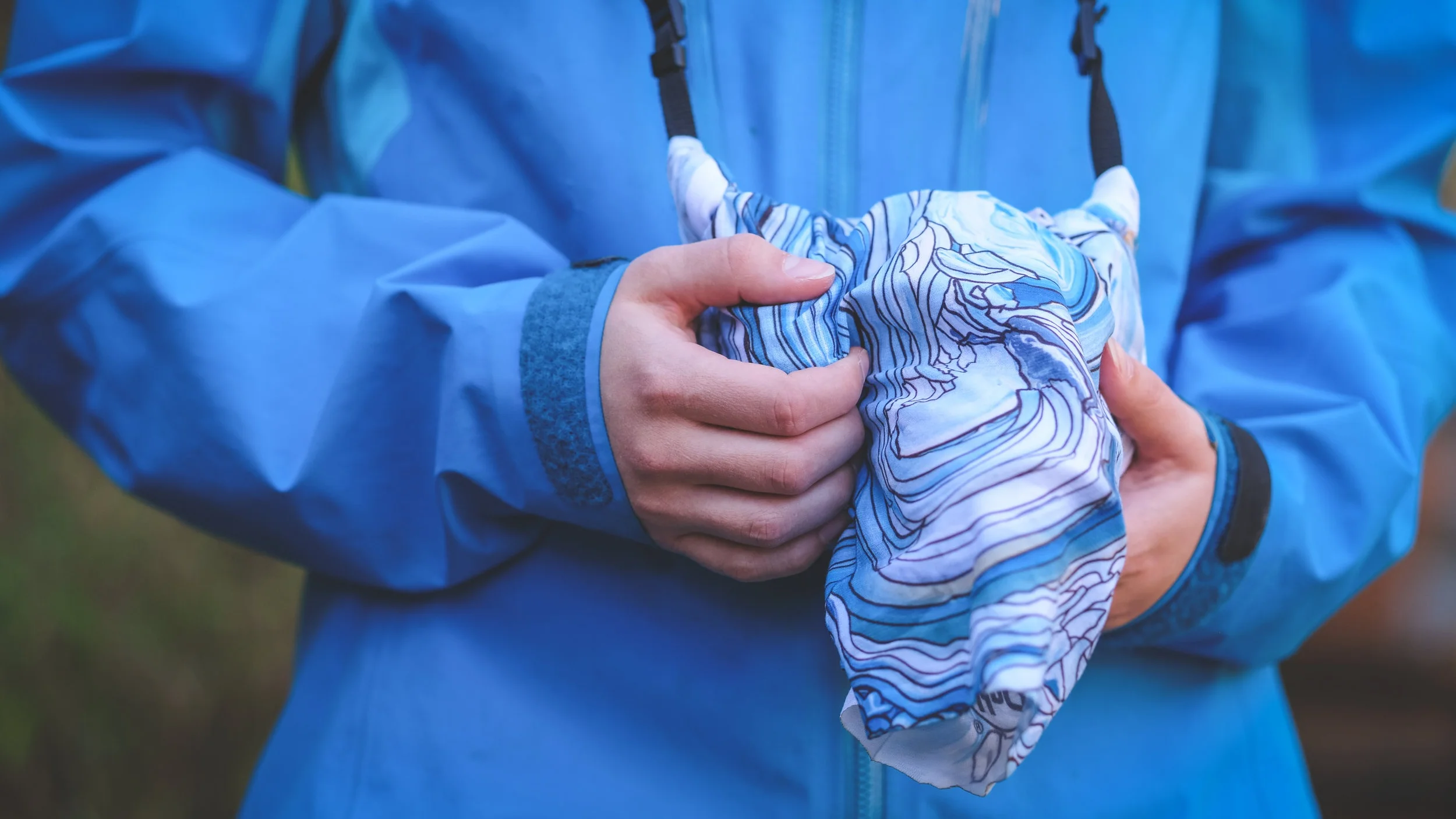
Also known as the camera condom. For that extra little piece of protection. Keep that little bit of rain and snow off your camera and shoot with a bit more piece of mind. The stretchiness of your BUFF® will conform to virtually any type of camera using almost any lens.
4. Card Game Mat
I don’t know about you, but one of my pet peeves is a deck of dirty cards that won’t shuffle smoothly. Using your BUFF® to simply act as a card mat on any outdoor surface will prolong the life of your playing cards and keep dirt from interfering with you and your kick-ass shuffling skills.


5. Food Cache
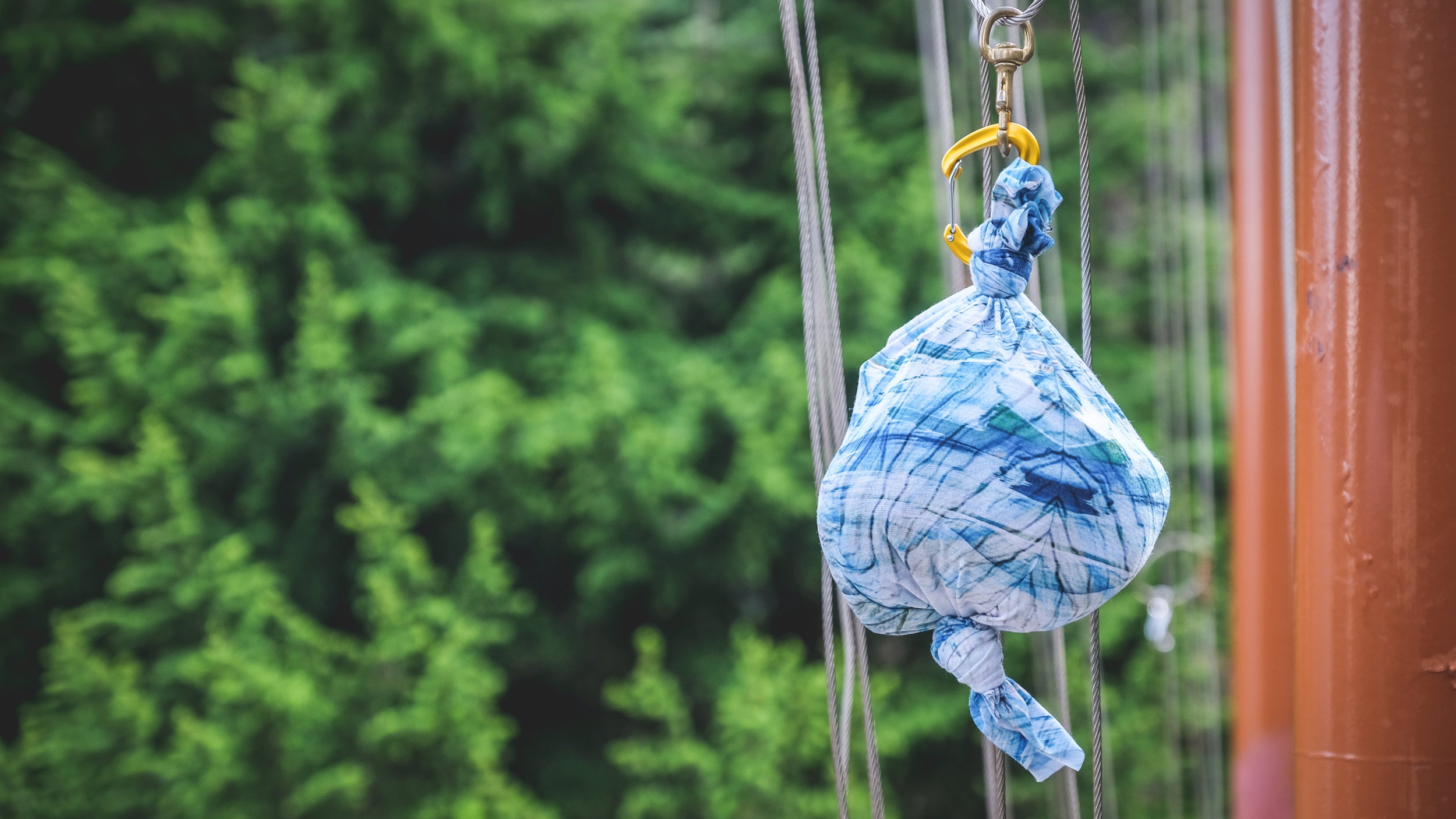
Always store your food responsibly. And now with any original BUFF® you can. Simply tie off one end, fill it up with your food, and tie off the other end. Lastly stick any carabiner through one of the knots and hang it from a cache system at your campground. Or if you’re on your own, tie a rope to it and suspend it from a tree, out of the reach from animals. The XL Original BUFF® is going to allow you to store more items than the regular sized.
6. Pack Towel
When you’re hooped without a towel and in need of a quick dry-off, using your moisture-absorbing BUFF® is a quick solution. You can also soak it and use it a wash cloth, or wear it to keep cool on a hot summer’s hike.

7. Light Diffuser
By covering and layering your BUFF® over your headlight, you can diffuse an otherwise single beam of light and spread it evenly over whatever you are needing to see. Give it a try next time you hang your headlight on the ceiling of your tent and see how much of a difference it makes.


8. Coffee Filter
A fun one for all the coffee lovers out there. If you’re anything like me, I’m not a fan of starting any day in the mountains without a nice hot cup to wake up to. But let’s face it, bringing the various types of big hard-to-pack coffee makers in your bag doesn’t always jive with your ultralight setup. Leave the press at home and go fast and light by simply using your BUFF® to filter the coffee over your favourite mug.


9. Electronics Insulator
Sleeping with your phone and electronics in your warm sleeping bag can do the job, but rolling over to your phone jabbing you in the hip isn’t always a lullaby. Wrapping up your devices in your BUFF® before bed can keep them insulated from the colder temps throughout the night and make sure your phone stays alive for that important morning alarm.

10. Sleep Mask
Sleep tight without the light. There’s not much better than a deep dark slumber deep in the woods. A no-brainer step to a better sleep.

What did I miss? How many creative ways can you come up with using your BUFF® in the backcountry?

30 Things You've Definitely Done While Camping
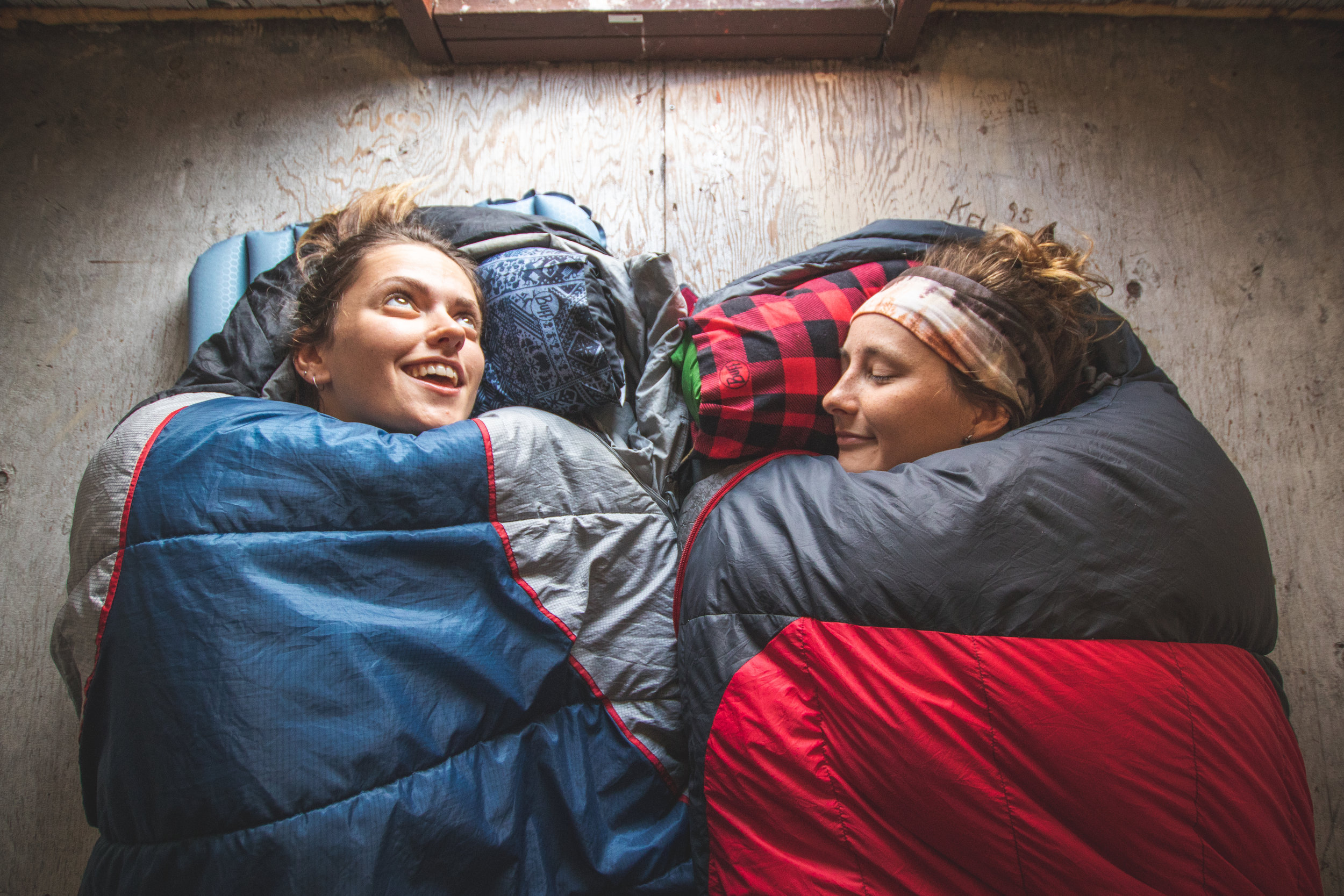
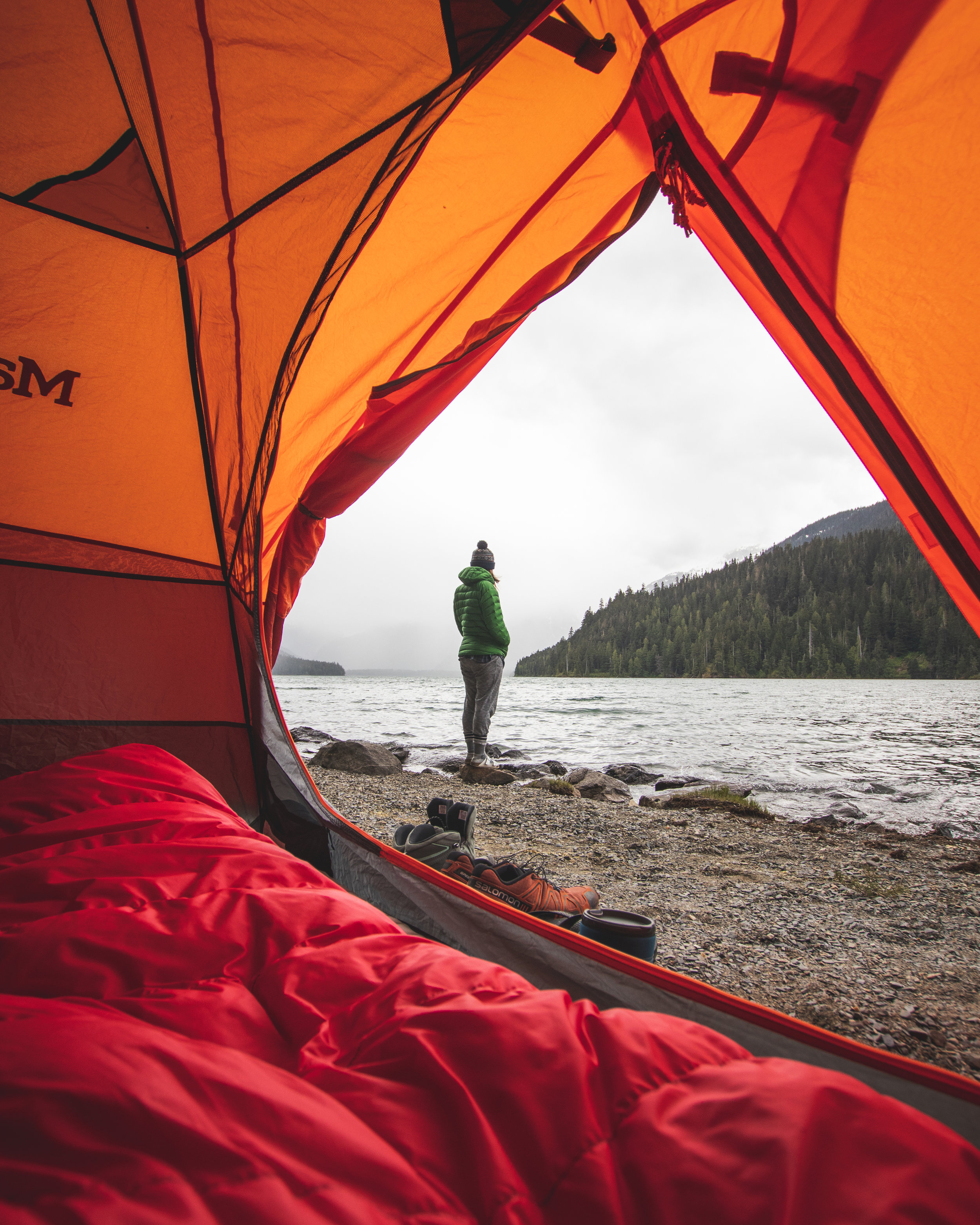
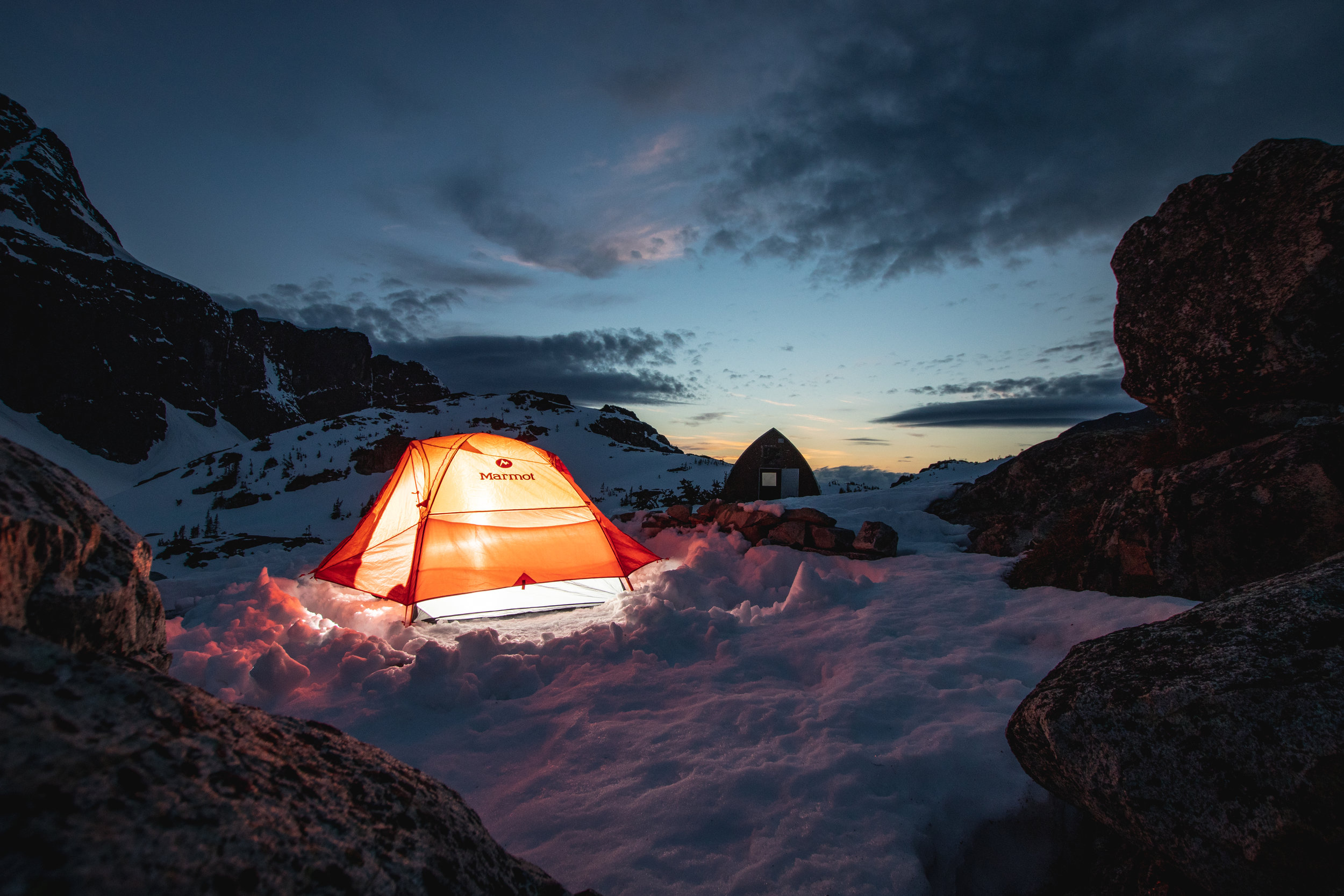
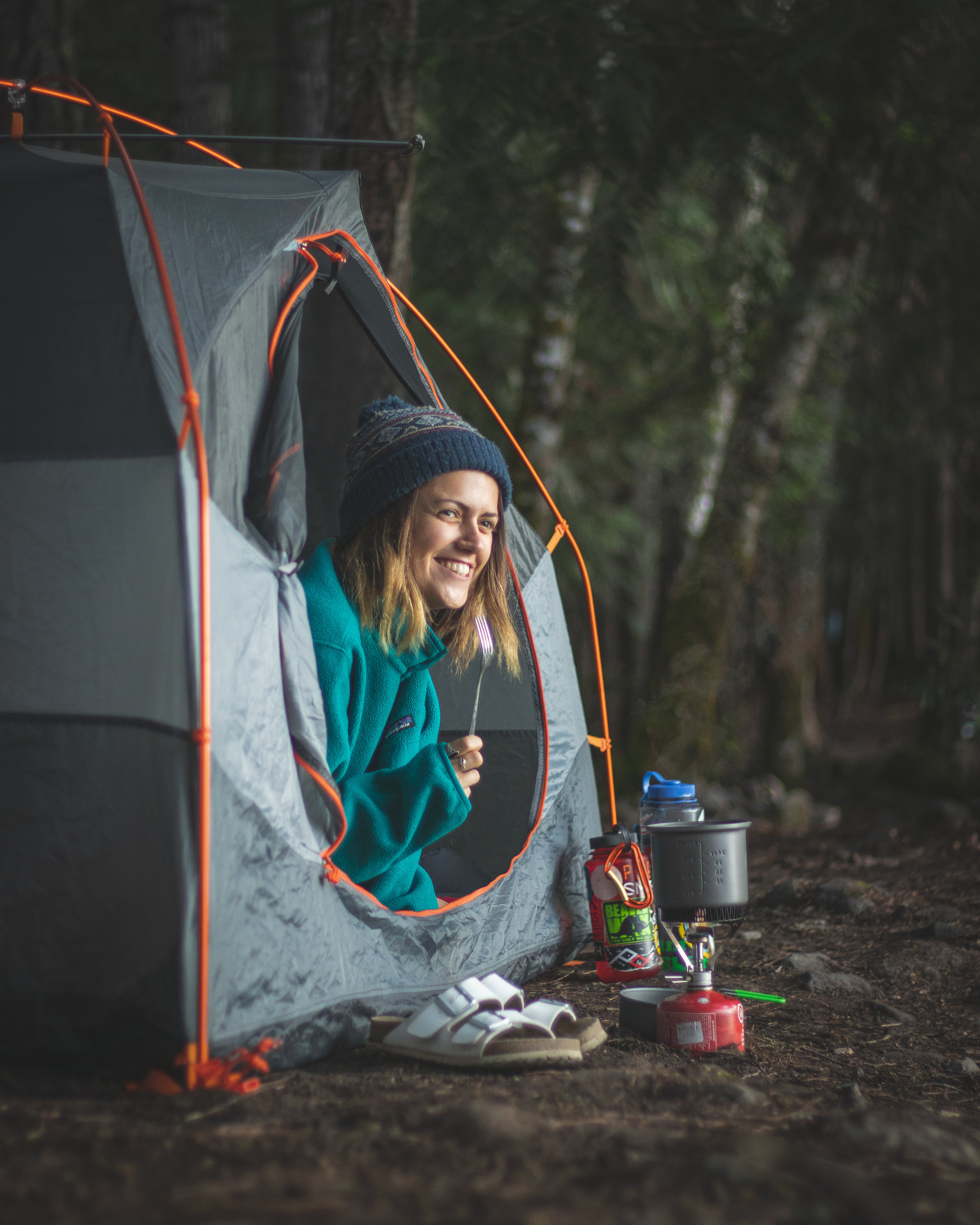
Poked the campfire with a stick not actually knowing what you’re doing.
Almost broke your hand trying to hammer the tent stake into the ground.
Tried to hold in your poo for the entire trip so you wouldn’t have to use the outhouse.
Driven down the wrong direction in a one-way campground loop.
Spent way too long deciding if one patch of dirt is flatter than another patch of dirt.
Learned that one of your friends snores louder than a fully grown walrus.
Accidentally smacked your friend in the face with the tent pole trying to set it up.
“How funny would it be if there was wifi out here.” And then proceed to secretly check if there actually is wifi.
Accidentally ate a bug that landed in your food and your buddy said “whatever, more protein.”
Looked up at the campsite across the road cooking up a huge dinner feast while you look down at your mac & cheese with cut up hot dogs.
Made a batch of hot coffee in the morning and acted like it was the most impressive feat to pull off ever.
Straight up almost passed out trying to blow up your mattress.
Brought 3 different outfits for the trip, but ended up wearing the same one the entire time.
“Woaahhh look at those guys’ setup” as you drove past their campsite.
Went to take a piss before heading into your tent for the night even though you just took a piss 10 minutes ago.
Said while roasting marshmallows - “The trick is to rotate it evenly so it’s browned on all sides” And then your marshmallow proceeds to immediately catch on fire.
Had a long debate with your friends on what would be the best vehicle to camperize.
Purposely left the toothpaste at home because someone else probably brought some, but then nobody has any cause everyone was thinking the same thing.
^ Exact same thing, but for toilet paper.
^ Exact same thing, but for mosquito repellent.
Going to sleep the coldest you’ve ever been in your life and waking up in the morning hotter than the core of the sun.
Been so angry at the guy next door for blasting his music, but been so happy that your friend brought his speaker.
Engaged in a random conversation at the campground with some old guy with long hair who claims he has been coming here for 50 years.
Brought at extra flannel, but forgot to bring your rain jacket.
Swearing to god that there’s a lady at her campsite who’s been sitting in her camp chair for 10 hours straight.
Non-stop talked about your favorite camping utensil and how it’s been everywhere with you and how it’s never let you down.
Accidentally ate half the bag of marshmallows before the campfire was made.
Went to sleep and woke up on the other side of the tent.
Finally got to sit down and relax by the fire, but then had to move your chair 23 times because the smoke kept following you.
Felt like you were the king/queen of innovation because you brought something other than marshmallows to roast.
What did I miss?

The 4 Types of Fun
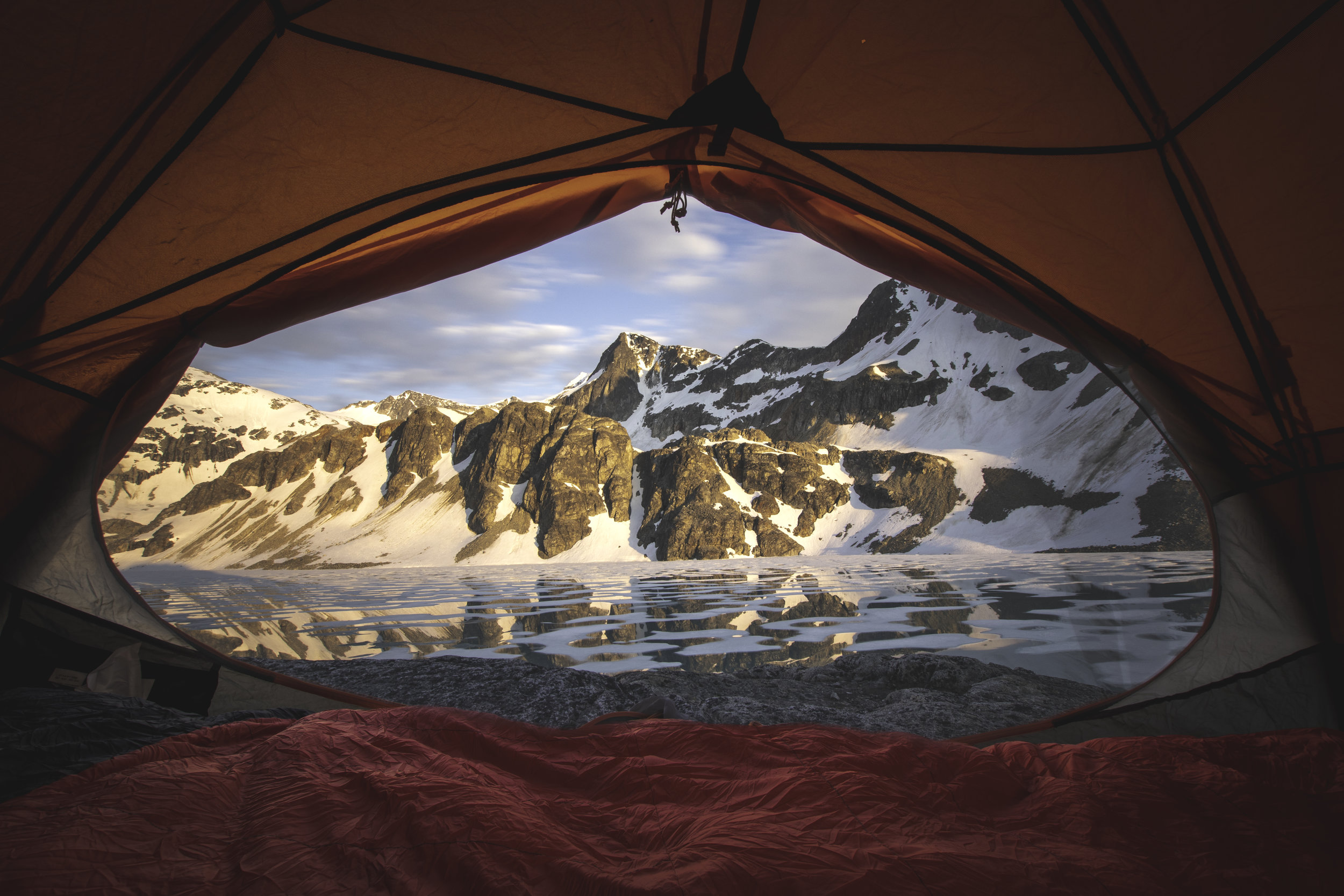
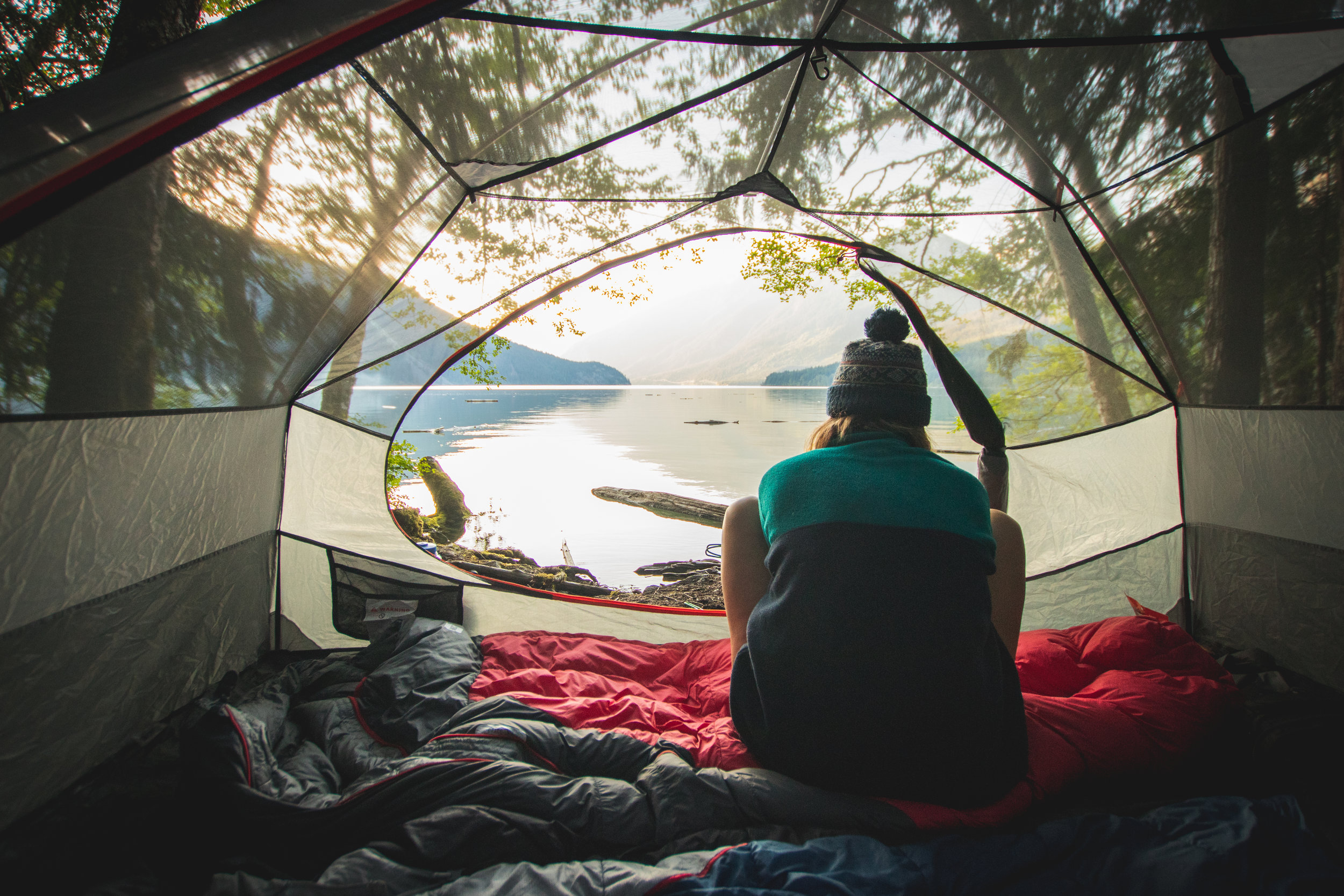
Everyone loves having a good time (I hope), but have you ever wondered why some people do some of the seemingly most outrageous things ever for “fun”? Like why would someone ever want to run 5000km in the longest ultramarathon in the world? Or why would someone ever want to rock climb up a 3,000ft granite wall without the safety of a harness and rope? Well, I believe that “having fun” comes in all shapes and sizes. Regardless of how you categorize them, I think that there are 4 distinct and unique types of fun, and the funny part is that you’ve definitely taken a ride down all four them. Hear me out:
Type 1 Fun - The Classic Fantastic
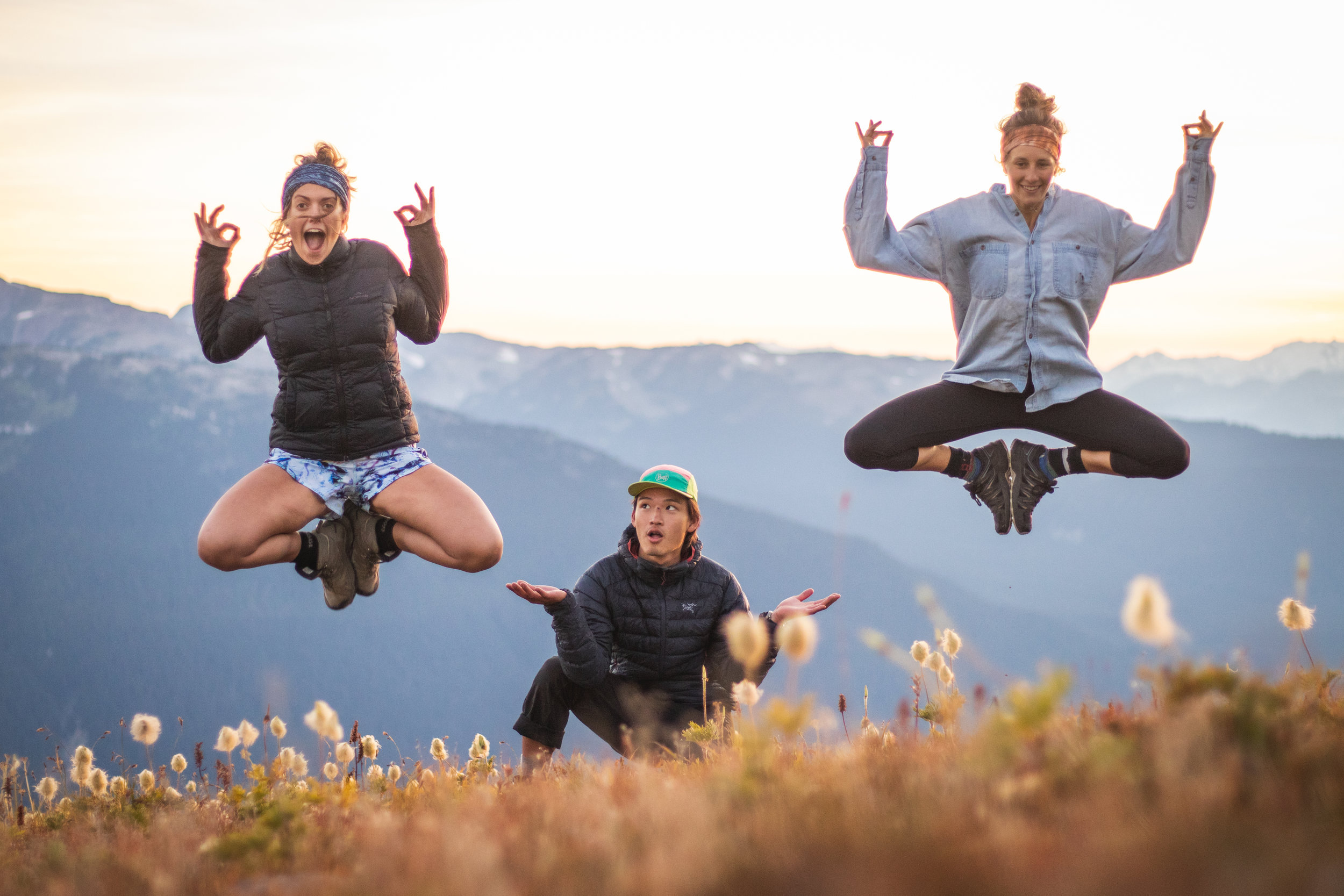
Type 1 fun is your standard dose of good times. Often paired with high fives, chest bumps and a whole lot of “dude that was sick.” It’s fun that you thought would be fun, is fun when it’s happening, and is fun when you think about it afterwards. Skiing powder, playing laser tag, thanksgiving dinner, unwrapping gifts, playing with the cute puppy in the park, water slides, when you put the USB stick in the correct way on your first try - all great example of type 1 fun. There’s not much more to say here, everybody loves type 1 fun. It’s generally safe, reliable, consistent and most importantly, fun.

A big ol’ face shot of type 1 fun.
Type 2 Fun - The “I’m Never Doing This Again.”
Type 2 fun is where the cookie can sometimes crumble. People make careers out of having type 2 fun. People die having type 2 fun (which I guess wouldn’t be type 2, but we’ll get to that later). Do you ever find yourself doing something, and while it’s happening, you tell yourself that you’re never doing this again, but then the next day it’s all you want to be doing? Basically, type 2 fun is a terrible time while it’s happening, but is fun in retrospect. Hiking uphill, running a marathon, jumping into cold water, working out, cleaning your room, writing exams, when Phoebe from Friends was pregnant with triplets. Type 2 fun is personally my favorite type of fun and is also without a doubt the most rewarding. It challenges us, validates our choices, surrounds our most prized memories, and most importantly it pushes us to progress in our respective fields.

Just a bit windy…

Sunset views are always worth the grind up.
Type 3 Fun - Well That Sucked.
Ah crap. Type 3 fun. It can creep up on you from anywhere. It’s like the spider that runs out from under the couch and scares you to death. If you partake in any type of fun, you’re inevitably running the risk of having type 3 fun. It’s when you set out on something you thought would potentially be fun, but turns into a miserable time and when you look back at it, it was just a big fat failure. Maybe you suffered an injury on a hike, maybe your car broke down on the way to an event, or maybe you burnt your tongue on the first sip of your morning coffee. One of the positives you can take from a type 3 fun experience is the ticket to telling a seemingly interesting story to your friends depending on what happened.
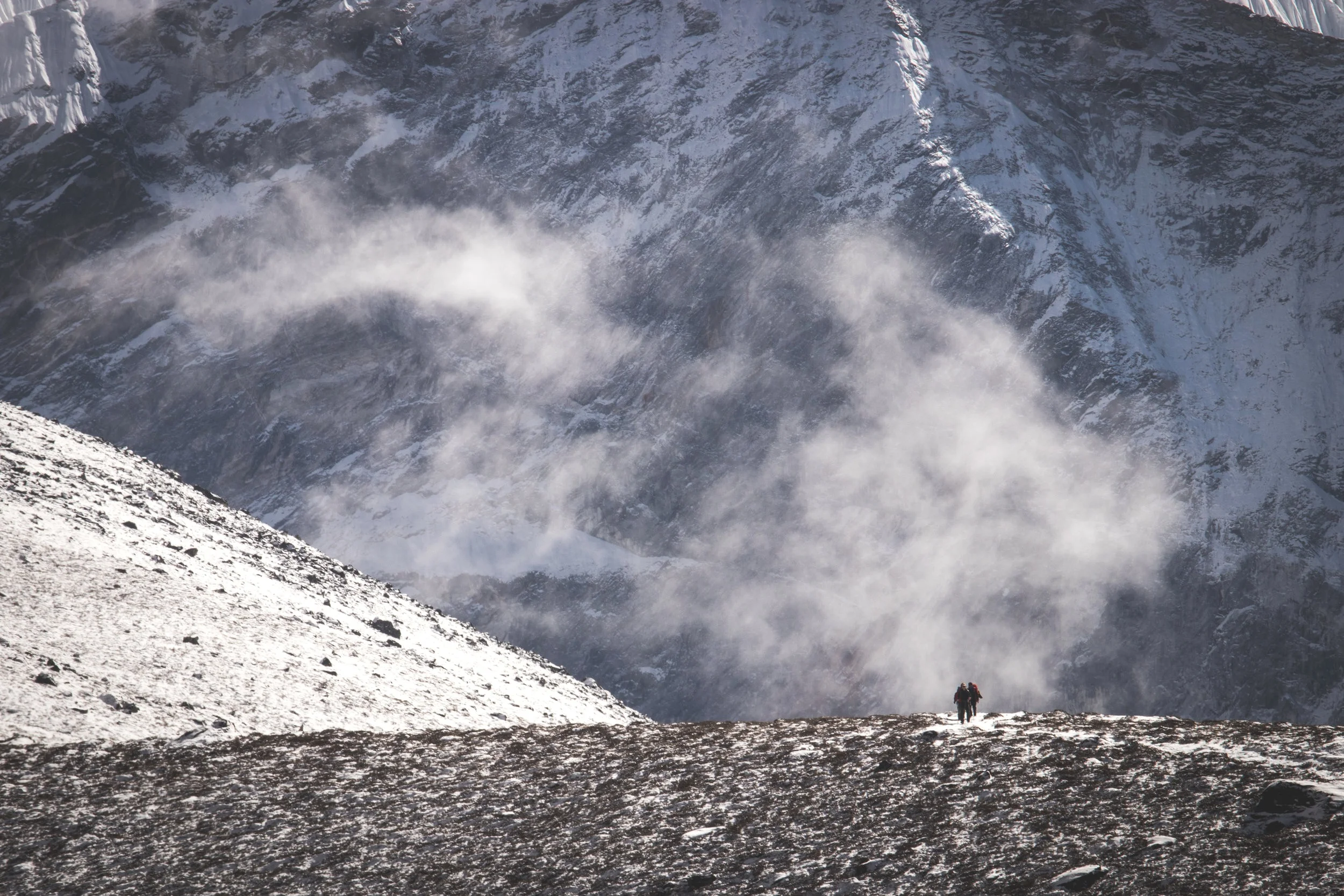
High altitude trekking in the Himalayas
One of my recent examples of type 3 fun was on a routine backpacking mission. It was about a 30km roundtrip, only this particular time, every kilometer of it was thoroughly ravaged with starving mosquitoes. Okay, so think about walking down the street in the pouring rain, now instead of each raindrop hitting you, it’s a mosquito landing on you. We kept on moving forward in hopes that elevation would slowly thin out the mozzies. That wasn’t the case at all. I remember actually thinking at one point that there must have been some sort of scientific atmospheric phenomenon happening in the area. Needless to say, the 3 of us resulted in hiding inside the one hammock that had a bug net attached to it. There we were, lying on the ground wrapped up and tangled in this net on top of a mountain getting absolutely demolished by blood suckers, like captured hostages tied up on a pirate ship.

Hiding from mosquitoes + wildfire smog
Type 4 Fun - The “I’m getting too old for this.”
Are you the type of person who enjoys having a couple summer patio beers with the boys? Or maybe you like playing some drinking games and making an evening of it? Or maybe, after drinking at the lake all afternoon you enjoy stumbling to the bar, railing 10 shots, a pitcher or two and flailing your arms and hips around on the dance floor till the sun comes up. Fast forward to the next day and how you feel is probably best described as a newborn gazelle with half a brain. Enter type 4 fun.
As you’ve probably already guessed it, type 4 fun is the best time ever when it’s happening, but the absolute worst time afterwards. Hangovers from a big night, the feeling of uselessness from binge watching 12 episodes of How I Met Your Mother, slamming down a bag full of bacon mcdoubles, and sadly, the resulting experience of doing drugs. Personally, a couple common type 4 fun activities that resonate with me are sleeping in and drinking too much coffee.

Well there ya have it. Hopefully you’ve got something out of this, or maybe you just read it for fun, that’s cool too. I’m not saying one type of fun is generally the better than another, because we all take part in each one for a reason. Just thought I’d shine a light on a seemingly interesting topic we can all relate to. And hey, now you can show this to your mom next time she tells you how crazy you are for going out and doing whatever it is you do. Have fun out there!

Why Smartphones Will Not Replace Professional Cameras

So, I think it’s safe to say the reign of the classic point and shoot digital camera that Aunt Margaret brings to all the family dinners is a thing of the past… well maybe not for Aunt Margaret. And then there’s Uncle Leonard off in the corner talking about how great his Samsung Galaxy has been. “Well you see, I just do everything on this thing and the photos are just as great as my wife’s digital camera” he describes. Well, Uncle Leonard definitely seems like he’s onto something. After all, in this crazy first world we live in we seem to consistently be wanting more for less. The ability to be able to do more, be more productive, and achieve higher quality all in a smaller package and in a more efficient fashion. Good thing smartphones like Uncle Leonard’s Samsung Galaxy exist, cause they’re frickin amazing at doing that.


The smartphone market today is booming. And the camera tech industry in smartphones is growing everyday. Global businesses like Apple, Samsung and Huawei are multinational tech companies pouring a ridiculous amount of money into their smartphone camera development and it’s pretty clear to see the progression. Let’s also take a look at a few manufacturers of smartphone accessories. DJI is making gimbals for your smartphone, Moment has a lineup of quality lenses to attach onto your smartphone, and there are easily hundreds of different underwater smartphone housing solutions. Seems to me like your current-day smartphone can handle the role of what a specialized professional system could 10 years ago, right?

The smartphone industry is definitely on the move. It’s taken over the point and shoot camera market, has replaced camcorders, radios, GPS’s, and several handfuls of other useful tools used in the past decade. I’m sure for several people, it’s even replaced their laptop altogether. Just based on trends, it’s easy to believe that smartphones will soon replace the modern day professional DSLR/mirrorless camera. I’ve spent years at a job particularly exchanging outlooks with people from all over the world as to why they think their phone is “good enough.” So, I’ve hand picked several points that are some reasons why I believe smartphones will not be replacing your professional camera.
1. Most smartphone consumers don’t care.
Alright, so I’m not saying everyone is like Aunt Margaret or Uncle Leonard, but I’ve been around the block enough to confidently say that most consumers with a smartphone could care less about how technically advanced the lens is on their phone. Honestly, I bet you the average dude watching a youtube ad on the new Google Pixel 3 showcasing it’s 12.2 megapixel dual pixel phase-detection lens with its f/1.8 aperture and electronic IS is not going to understand what any of that means. Pumping out camera tech numbers in ads is most likely flying over most people’s heads. I’d say the mass market cares more about things like battery life, user-interface, app availability, storage, and sadly, color options. Ya, it’s great to have a good camera on a smartphone, but it’s gotten to a point where it’s enough to get the job done and consumers wont be wanting to spend a premium to get enhanced camera features. After all, smartphones are all about ease of use, simplicity and efficiency.

2. Cost of smartphone + third party accessories = cost of an actual camera.
Hey, remember when you could get the newly released iPhone 4 for a few hundred bucks without signing a contract? Guess what, cover your ears because it’s 2019 and the iPhone XR starts at $1,520 CAD, the Samsung Galaxy S9+ starts at $1,100 CAD, and the Huawei Mate20 Pro starts at $1,200 CAD. Just for fun, I went to the Apple Canada website and built up the highest end iPhone currently on the market, added on Apple care, and it quoted me with the price of, wait for it… $2,517.76 CAD. Yup. That’s one pricey Instagram and email checking device. Now let’s say you decide to purchase a bunch of attachable lenses for your new iPhone, and a gimbal for some smooth action filming. You’re looking at over $3000 now. I’m going to stop here and just say, for 3 grand you can purchase a decent professional DSLR or mirrorless camera setup, capable of capturing better photos than any iPhone.
3. Purchasing a new smartphone doesn’t teach you how to be a photographer.
Seems silly that this would be brought up, but you’d be surprised how many individuals I’ve come across that don’t see this through. There’s this thing called going to photography school and taking classes. There’s also the people that work for years perfecting their style. These people are photographers. They have a trained eye. Buying the new Huawei Mate20 Pro that comes with three lenses installed does not make you a photographer. I’m not saying these smartphones can’t take great photos, and I’m certainly not saying that having a great camera on your phone can’t be a gateway tool for learning how to advance your photo taking skills. As a matter of fact, the average kid nowadays probably is going to start out their photography career with an iPhone. However, it takes years and years of learning things like composition, reading light, establishing angles, and capturing emotion. There seems to be a distinct line between those who understand the process of learning photography, and those who look away from the professionals and their gear because of their new “really good phone.” Even the fanciest of phones in the future won’t and shouldn’t trump the expertise and eye of a professional. Would you trust Uncle Leonard to shoot your wedding on his new phone? Neither would I.

4. Lack of manual controls
Let’s face it, touch screens are awesome. They are efficient, easy to use, and learning gestures takes no time at all. Even DSLR’s and mirrorless cameras come with them, because they enhance the experience. But it seems like smartphones nowadays are more screen than ever. Manufacturers have gotten rid of bezels and buttons almost altogether. Which is great… if it’s a smartphone. If you’ve ever used a professional camera you would know the importance of having buttons and dials in certain spots. It’s important being able to adjust things like shutter speed and ISO on the fly, and being able to quickly switch your focus point with the joystick. Almost all professional cameras place these manual controls in convenient spots so your fingers are already on them when you grip the camera. Your smartphone might have a neat “touch to focus” feature, but good luck trying to track with continuous focus, or adjust your drive mode in time to capture your dog jumping up in the air.
5. New photography gear invokes motivation and inspiration to shoot more.
To anyone who has been shooting for long enough, you would know about that amazing feeling when you get to try out a new lens for the first time, or shooting your first gig with that new camera bag, or that rush of unlocking new possibilities with that new ND filter. It’s the great feeling that keeps the nerdiness in us photographers. New gear. Honestly who doesn’t love new gear? It’s part of the whole fun of it, trying out different combinations with different lenses that offer different angles. Using studio lights to using natural light to using on camera-flash. The combinations and the way photographers create their work is open-ended and limitless. If all you had was a smartphone and you called yourself a full time photographer, I’d bet you’d go through a decent number of motivational slumps. No matter how great your phone is, you’d grow tired of using it day in and out for texting, email, social media and photography.

Other points of consideration:
Smartphones continue to get thinner = less room for larger image sensors
It looks unprofessional (and silly) shooting something of value with a phone
Cameras will also continue to get better alongside smartphones.
Smartphone lenses, despite how many of them are on a phone, can only cover a finite number of focal lengths. Optical zoom lenses on cameras can cover everything.
Smartphones and freezing temperatures do not mix well. Professional cameras can shoot through everything.

So there you have it. The modern day smartphone is capable of doing some pretty incredible things, there’s no doubting that. It’s a reliable tool to complete many jobs in a user-friendly manner. Even when it comes to taking photos, you can get some brilliant results. But, when photographers swap out a smartphone for an actual camera, it’s like upgrading your Toyota Corolla to a Porsche. And sure, the point and shoot camera market may have been taken over, but that’s because the point and shoot market was made for just that, pointing and shooting -something that the phone with you right now is designed for. Talk to any motivated photographer and they’ll tell you just how opposite the art of photography is than simply just pointing and shooting.
You can draw and sketch on your phone, yet people will continue to use pencil and paper. You can play games on your phone, yet people will continue to play board games. You can watch movies on your phone, yet people will continue to go to the theatre. You can read the news on your phone, yet people will continue to read the newspaper. You can take photos on your phone, yet people will continue to use a camera.
People want to use what will give them the best experience, and that’s exactly what a real camera does.


Roadtripping: A Budget Friendly Guide to Living on Wheels
Roadtripping can be one of the most enjoyable ways to travel and is a fantastic way to experience many different sides to many different places. It can open your eyes and allow you to see things that not everyone would. You can travel at your own pace, visit your own areas, and choose to spend as long as you want in the places you love the most. However, when you combine roadtripping with attempting to spend as little money as possible, it can be all of that, but with even more fulfillment and reward.
Here I’ve put together a short and handy guide to roadtripping on a budget. This is based on travelling with a pre-camperized vehicle of some sort, whether it be a fully decked out sprinter van with 12 solar panels and a shower, or a rusty hatchback with a mattress in the back. For most (excluding gas), accommodation is usually the highest expense while on a roadtrip, so this guide is directed towards those not interested in paying for a bed. This is geared towards those planning on living out of their vehicle and the different things you can do to make it easy, safe, cheap, and most importantly, enjoyable.

Capital Reef National Park - Utah, USA
PREP:
First thing’s first, a huge part of travelling is the part before you actually do any travelling, the preparation. You’re definitely going to need at least a little bit of money saved up before embarking on your roadtrip. How much you save is going to vary depending on how long you want to travel for. The type of vehicle you’re driving and living in also plays a role. Remember to keep in mind potential mechanical expenses as well as travel insurance. I would also highly recommend getting a CAA membership or something that enables you for roadside assistance. You’re car might be in great condition now, but you never know what hairy situation you’ll find yourself in once you set sail.
ENJOYMENT VS SAVING MONEY:
Everyone has got different levels of enjoyment when it comes to travelling and exploring new places. To some, they want to see and do everything, others might only want to check out the highest rated areas, and some are only there to snag that classic fantastic insta banger. Some places (many places) you will come by have their reputation built upon you spending money. Now If you decided for yourself that you are going to spend time at that place than it might be a good idea to have a list of priorities. It’s so easy to lash out and drop a hundred just like that. Maybe not go to that super cool looking restaurant for dinner and instead slam down a slice of pizza from the street vendor for $3 (face it, you’re never going to be upset after eating pizza). Yippee, the money you just saved from skipping that cool Japanese place just got you another 500km of gas on the road. Now I’m not saying you should only eat food from a cart, because I realize part of enjoying a new city or town is trying out the local cuisine. I’m just saying for example that if you’re in a town that is famous for its mountains, landscapes and hiking, then it might be a smart move to focus on that, what you actually came to see. Find your line between saving money, and spending enough to enjoy the trip.

Brooklyn - New York, USA
OVERNIGHT PARKING:
The make it or break it of every roadtrip: accommodation. So, you’ve got your vehicle all set up for everything you need to have a good nights sleep. Awesome. We can all deck out our rigs in whatever fashion we so desire, but if you can’t find a proper place to park and bunk up for the night, the whole vehicle setup thing is kind of useless. Forget about the hotels, motels and airbnb’s. Even some hostels can be overpriced. The list I have created below works well not only in larger cities and towns, but also when covering long distances on the highway. Do your best to research the area you will visiting prior to arrival because every location generally has it’s own set of rules. Despite the list below, nothing however, is going to beat staying at friends and families places along your route. So think about who is out there that you may know because getting the luxury of spending a night indoors can be huge depending on how many straight days on the road you’ve traveled.
Walmart - A roadtrippers haven. Walmart is hands down one of the most consistent overnight sleeping friendly spots in North America. Safe, well lit, enough people around but not too much foot traffic, and most important of all, fully legal unless otherwise posted. You can even get lucky and hit a 24hr Walmart so you can use the washrooms and get a midnight snack if you want. (Pro tip: Keep a bag of granola in your vehicle. After your nights sleep in the parking lot, go inside Walmart and pick up two cups of yogurt for 50 cents each to mix with your granola. Enjoy endless breakfasts for $1 per day). The other great thing about Walmart is that it’s usually big enough to park around the corner next to the building and get wifi for the night as well. When initially pulling up for the night, I’d firstly do a couple laps of the lot and double check there are no city bylaw posts on the poles disallowing overnight camping (if you’re in a stealth camper you might be able to slip by as it seems that security often only busts RV’s). If you’re feeling sketched out, paranoid, or unsure if you can, Walmart is often found amongst several other closeby department stores with large vacant lots.
24hr Diner/Gym - Denny’s isn’t just great for its pancakes. 24 hr diners are sometimes the more reliable way to go because they can be found in smaller towns where the big department store lots don’t exist. These smaller diner’s have a higher chance of having less security officers patrolling around, and are often quieter with less foot traffic. These diners are also safer if you ever need people close by. The same role is played by fitness gyms.
Rest Area - The classic. Definitely noisier than others in terms of traffic, but if you’ve already spent weeks on the road than it sounds like crashing waves on a tropical beach (actually though). Rest stops can be found everywhere and is arguably the safest way to go. Equipped with bathrooms, water, and a place to cook both dinner and breakfast it’s a logically great place to bunk up. If you’re going to be pulling up somewhere when it’s dark and leaving early in the morning your best bet is to skip finding a campsite and settle for a rest stop. There are several large cities where you can drive 20 minutes out down the main highway to a rest stop and drive back the next day if you’re stumped on finding a safe place to sleep inside the city. You’ll probably find a bunch of others doing the exact same thing.
Residential area NOT in front of houses - This is would sort of be my last resort, although if you’ve already done research on certain neighborhoods that are in the clear, than it might be the most convenient. The issue is that when you are parking near houses where people are living, you never really know if they are checking you out. Even if you think you’re pretty well hidden in the dark, people get suspicious, and they already know what cars park on outfront on the street every night. You also might not know what the city regulations are on street parking. Because every town is different, and it could be a general state/provincial law that makes parking where you thought was fine actually illegal.

“Vans Joy” - Interior of our Mazda 5 roadtripping vehicle
There are many many other places you could potentially and safely bunk up for the night, above are just a few reliable solutions. A popular alternative is a church parking lot. Churches are everywhere and there’s a good chance it would be a lot darker and quieter than a supermarket parking lot. I’m not the biggest fan of taking the church route because I’d rather not burst into flames upon midnight. I also don’t know the church schedule and would not want to wake up in the morning to a service taking place. Additionally, and depending on how strict the town your in is, you won’t be blending in at all, and it will be very obvious you are sleeping there. Another alternative is a larger hotel parking lot. I’ve used this a few times in the past with success. The concept is to park and blend in with the other vehicles. Nobody will question why vehicles are parked there overnight. The only reason why I wouldn’t really recommend this is because many hotels use parking passes and security will usually do a lap and make sure there are no un-licensed visitors in the lot.
TAKING SHOWERS:
Simply put, you don’t really all that much. Deal with it. If you’re doing lots of driving, chances are you didn’t do all that much sweating. You don’t need to shower every day. Showers while in campgrounds are a given. But, showers while on the move can be a little bit different. Most cities and towns will have rec centers with pools. If asked politely, they’ll usually let you use the showers no problem. Or you can spend the few dollars and go for a fun time dip & dive in the pool. Fitness gyms are the alternative. Just ask politely to use the shower and they most likely wont charge you any drop in fee. The other alternative if you’re a hardcore mountain dude who don’t need no facilities you can just jump in the lake. The last alternative is just use your trusty wet wipes, they really do work well.

Banff National Park - Alberta, Canada
THE ESSENTIALS:
Depending on what your setup is in your vehicle these items may or may not be useful to you.
Wet wipes - Yup, the MVP trophy 100% goes to these guys. Every day you will use them. Washing dishes, done. Taking “showers,” done. Wiping your bum, done. Cleaning your coffee stained shirt cause you went over that bump on the highway too fast, done. They are versatile and very inexpensive, about $2 for a pack of 80 from Walmart (lasts 1-2 weeks (based on how often I shower)) Paper towels/napkins won’t work cause they aren’t moistened. Wet wipes have literally eliminated the need to use a sink for me wherever I may be. Yes, they may be classified as wasteful, but you also don’t use any water, so pick your popsicle.
Plastic spork - Meet your new best friend. You only need one and you should store it within reach while driving. This plastic fantastic tool ultimately saves you from needing to bring along any other utensils. A plastic spork cleans real easily with wet wipes, and can be used to spread things on toast, and eat any meal of the day.
Rechargeable batteries - Depending on your vehicle setup, rechargeable batteries can vary regarding their usefulness. I am talking about rechargeable AA and AAA batteries. For us, they were essential every day when it got dark outside. Some rechargeable batteries can be pretty expensive to get a bunch, but can also be a smart investment if you rely on them for things like lanterns, fairy lights inside the vehicle and flashlights/headlamps for hiking. I purchased a USB charger that could charge AAA’s and AA’s when plugged into the cigarette lighter. As a result, we always had full powered lights in the vehicle and in our flashlights every night.
Two burner stove - You are 100% going to need a good kitchen setup to cook your own food. Without a decent stove, you’re headed either towards the bottom of your bank account real fast or diabetes from too many Mcdonalds fries. I do recommend a two burner vs. a single burner because when you pull up late at night at a rest stop you’re not going to be in the mood to wait twice as long to cook your meal.
The app Maps.me - I am going to assume most of you guys don’t have an unlimited data plan and that you aren’t going to be paying for international roaming. The app Maps.me is a free offline route planner and map. You can choose to download cities/states/provinces and even entire countries. Once your selected map has been downloaded you’re all set to use it offline on your phone. Google Maps can do a similar thing, but the downloads on Maps.me take up way less room on your phone. You can even route to destinations offline and use it like a GPS (I would not recommend doing this long distances as sometimes it routes you down much slower streets).

Pasta N’ Veggies - A picnic table special
LAST MINUTE TIPS:
Don’t draw attention to yourself - When the time has come to go to sleep and you’ve decided to bunk up on whatever slab of concrete you’ve ended up on, don’t draw attention to yourself. You never know who could be watching you and the last thing you want is a bunch of people knowing your sleeping in your vehicle. Be aware of things like brushing your teeth, cooking food and going pee around your vehicle as those are all obvious signs. Do your best to pull up, shut the engine, and head to bed as seamlessly as possible. The best way is to set your vehicle up so you don’t even have to open up your door.
Cook dinner before it gets dark - If your kitchen is built inside the van, then it wouldn’t really make a difference. But if you’re cooking your dinners outside your vehicle, try getting the meal made before sun down. Everything is easier and quicker when you don’t rely on a headlamp. Also, making dinner during daylight in a park is a normal thing you would see, but as soon as it’s dark, nothing ever normal happens in a community park.
Got a roofbox? Congrats, now you’ve got a fridge - While this is obviously not 100% accurate, if you happen to be travelling during a time when the temperature drops overnight, you can store various food items up there to keep them from going bad. Please remember regulations in different regions regarding animal-proofing and storing food items responsibly.
Collect cream + salt + pepper packets from fast food chains - Every time you find yourself inside a fast food chain while on the road, find the corner where they stash all the condiments and grab a couple of handfuls to go. Find a spot in the vehicle where you can keep these items. Cream is great for your morning coffee and thickening up sauces and quick meals (the small packaged creams don’t need to be refrigerated), and salt and pepper are perfect for spicing up your cooked dinners.
Chat with others doing the same thing - Chances are you’re going to run into plenty of other travelers doing the same thing as you. Talking to them not only is great for sharing stories, but other roadtrippers could have come from a place you are planning to go to and can give you valuable advice for saving money and things to be aware of.
Now that I’ve filled your brain with some juicy information regarding living on the road, it’s time to finish that epic roadtrip music playlist you’ve started and get out there! Needing inspiration? Check out my slideshow documenting 10 weeks on the road here. Hate slideshows? No worries! Check out my travel page for photos to fuel your stoke here.

7 People, 14 Bags, 1 SUV, 2 Weeks in Iceland - Yes it can be done.